Filters
18 products








Customer reviews

C….4
Nice button backlight
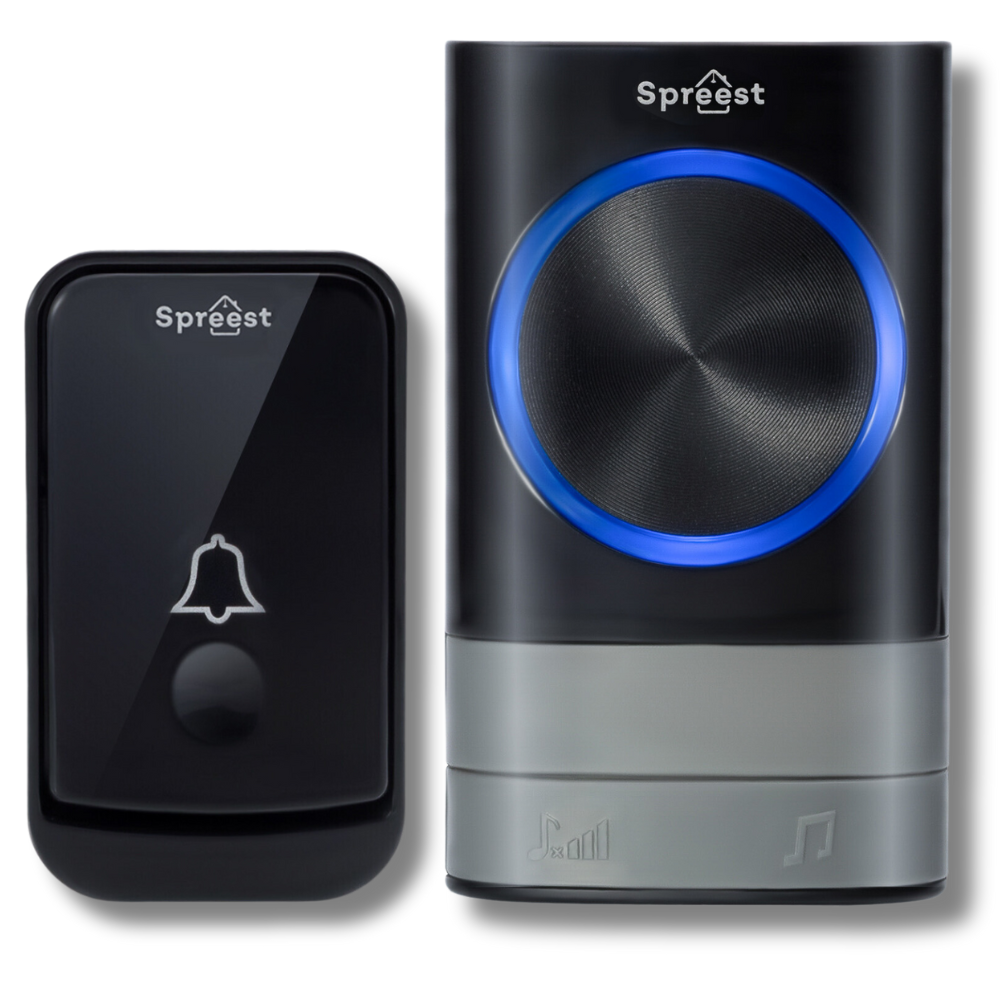
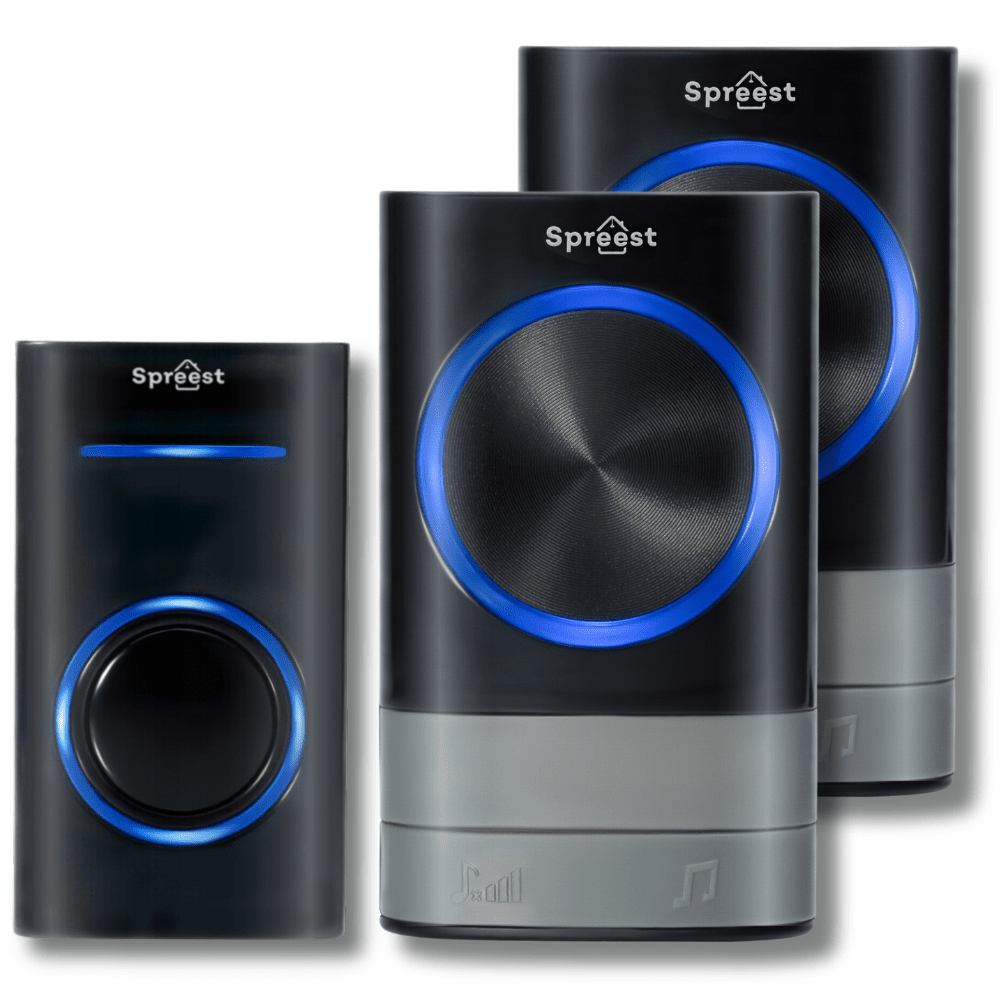
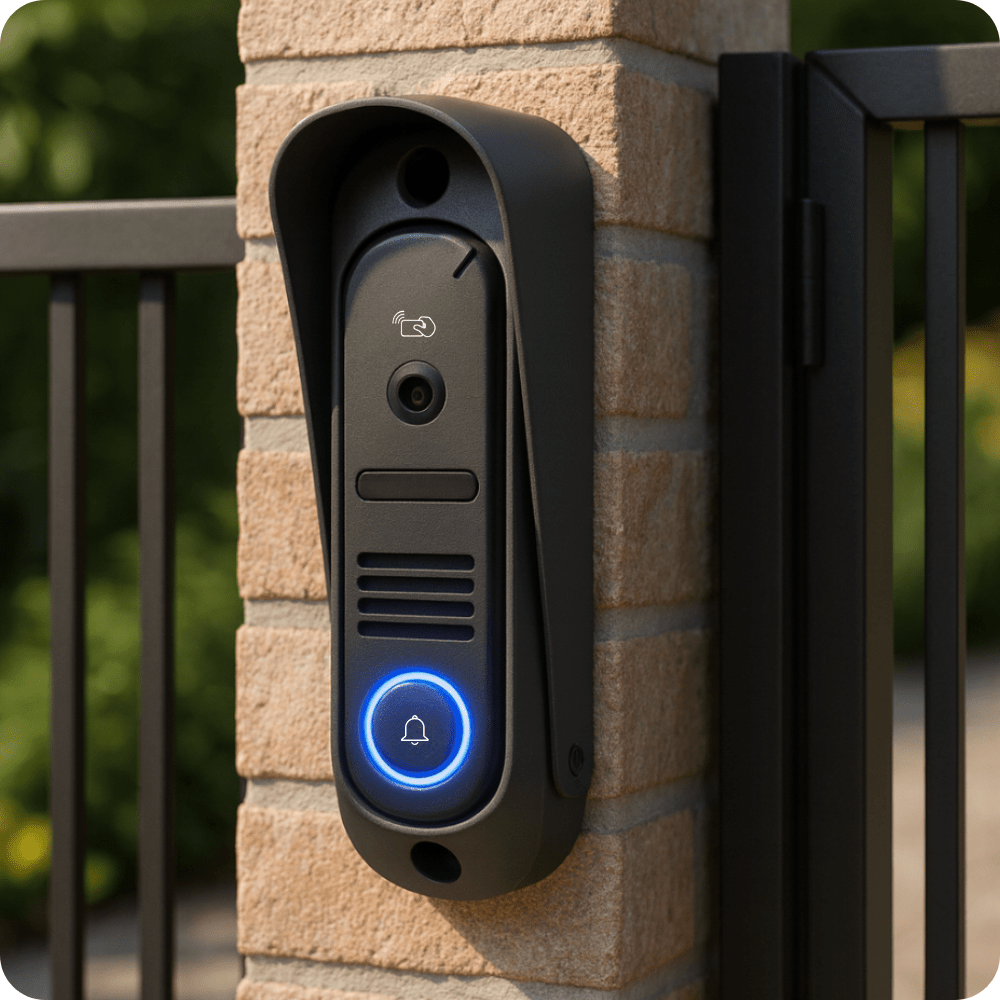
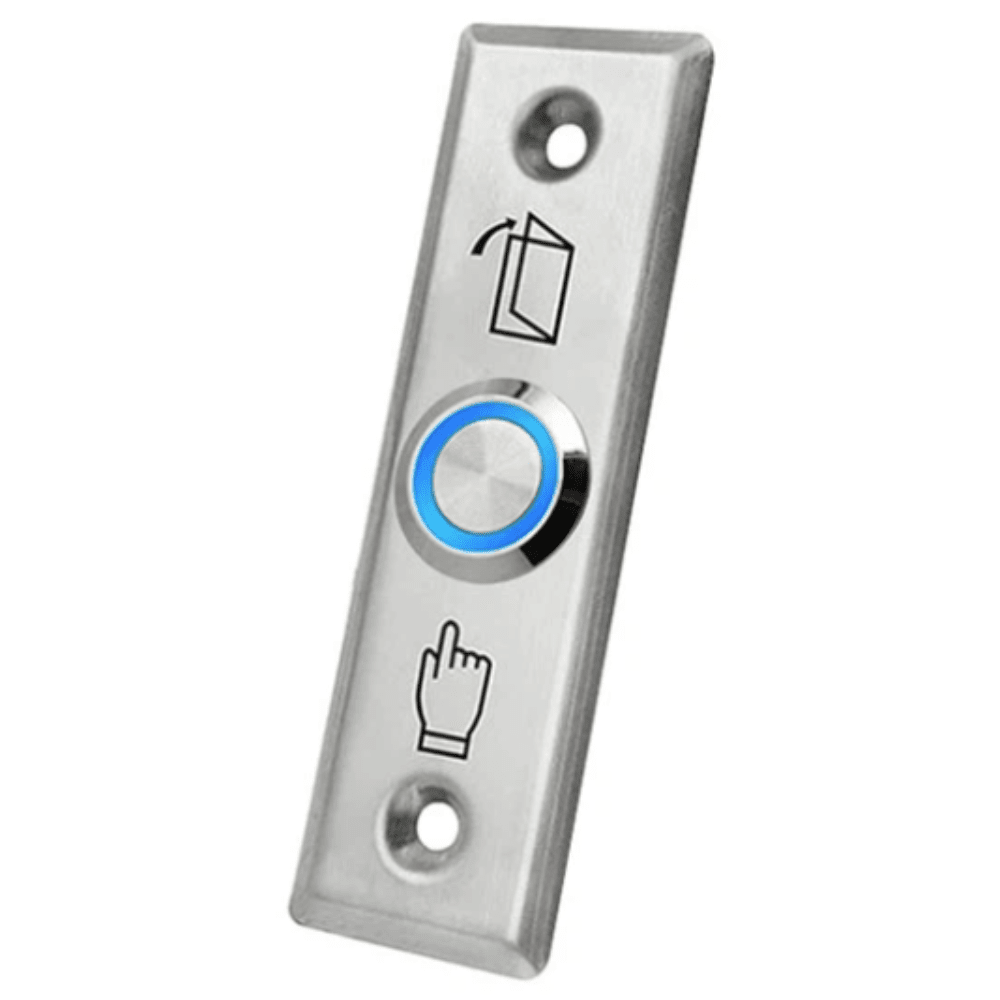
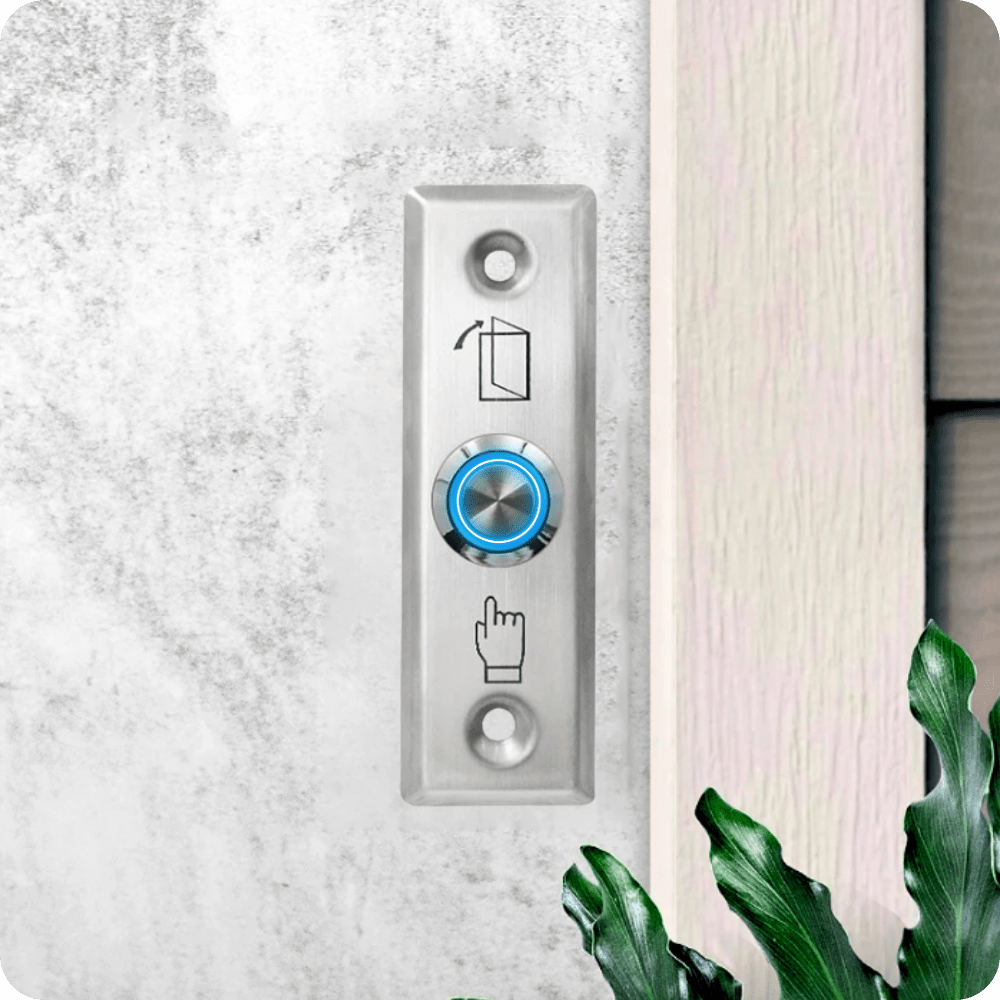
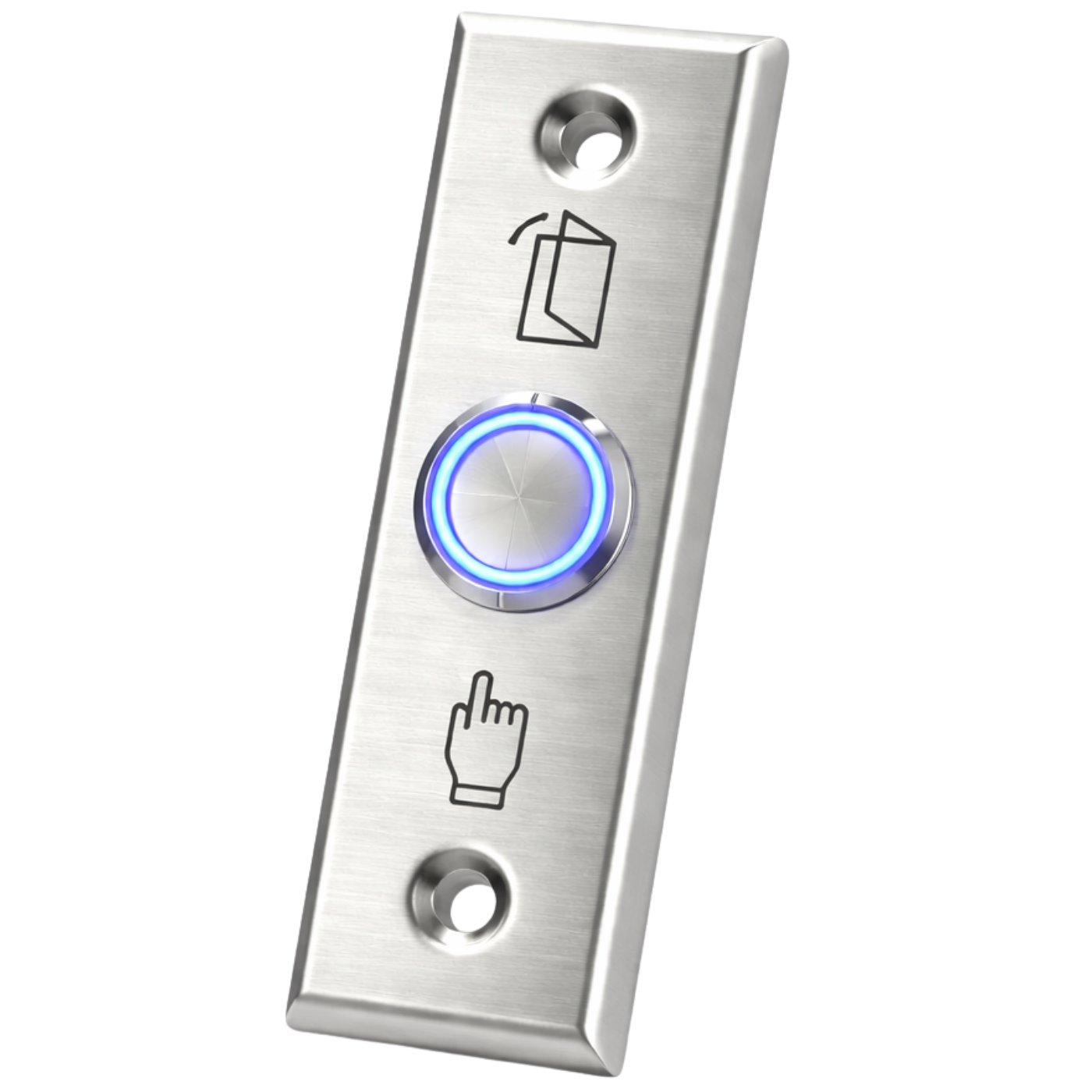
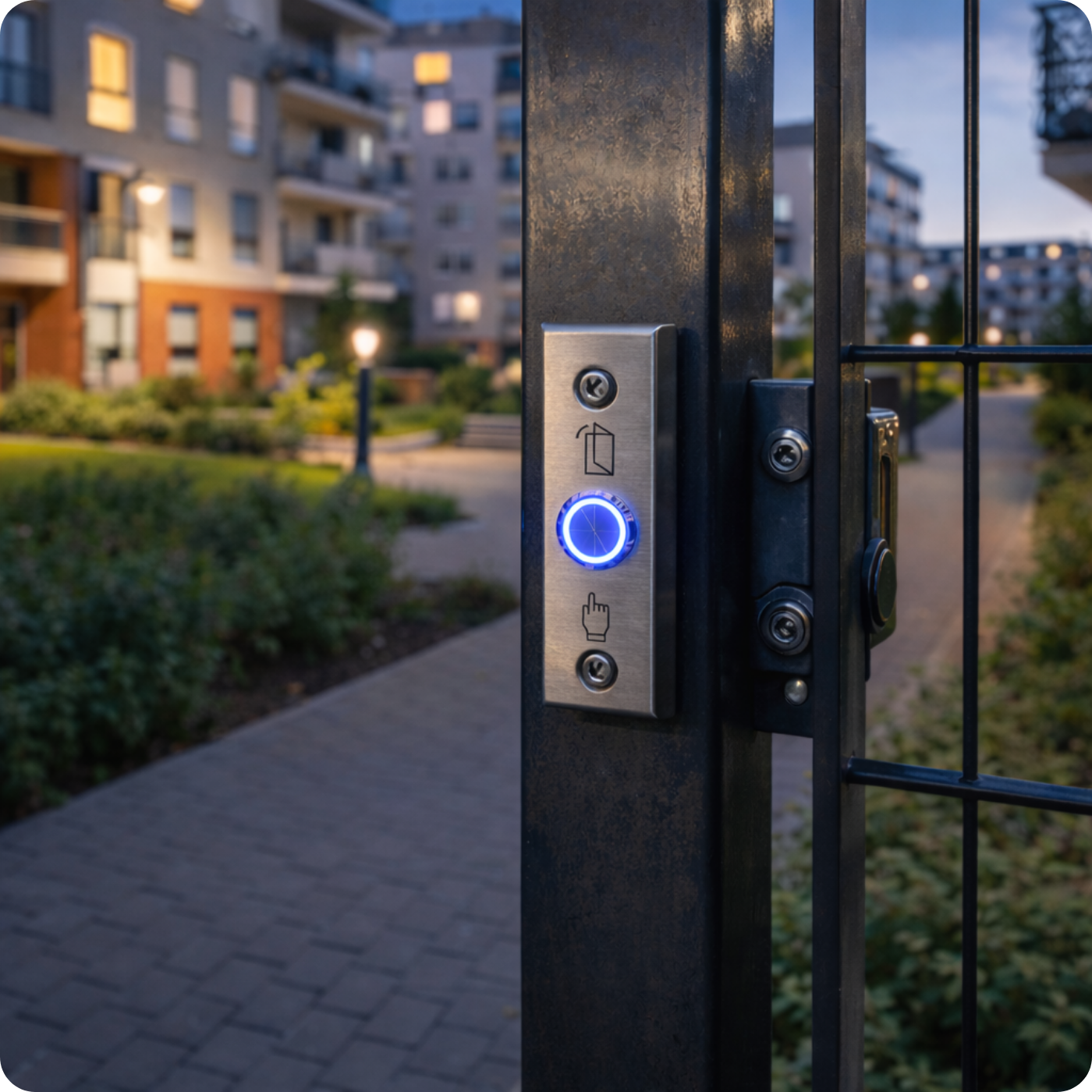
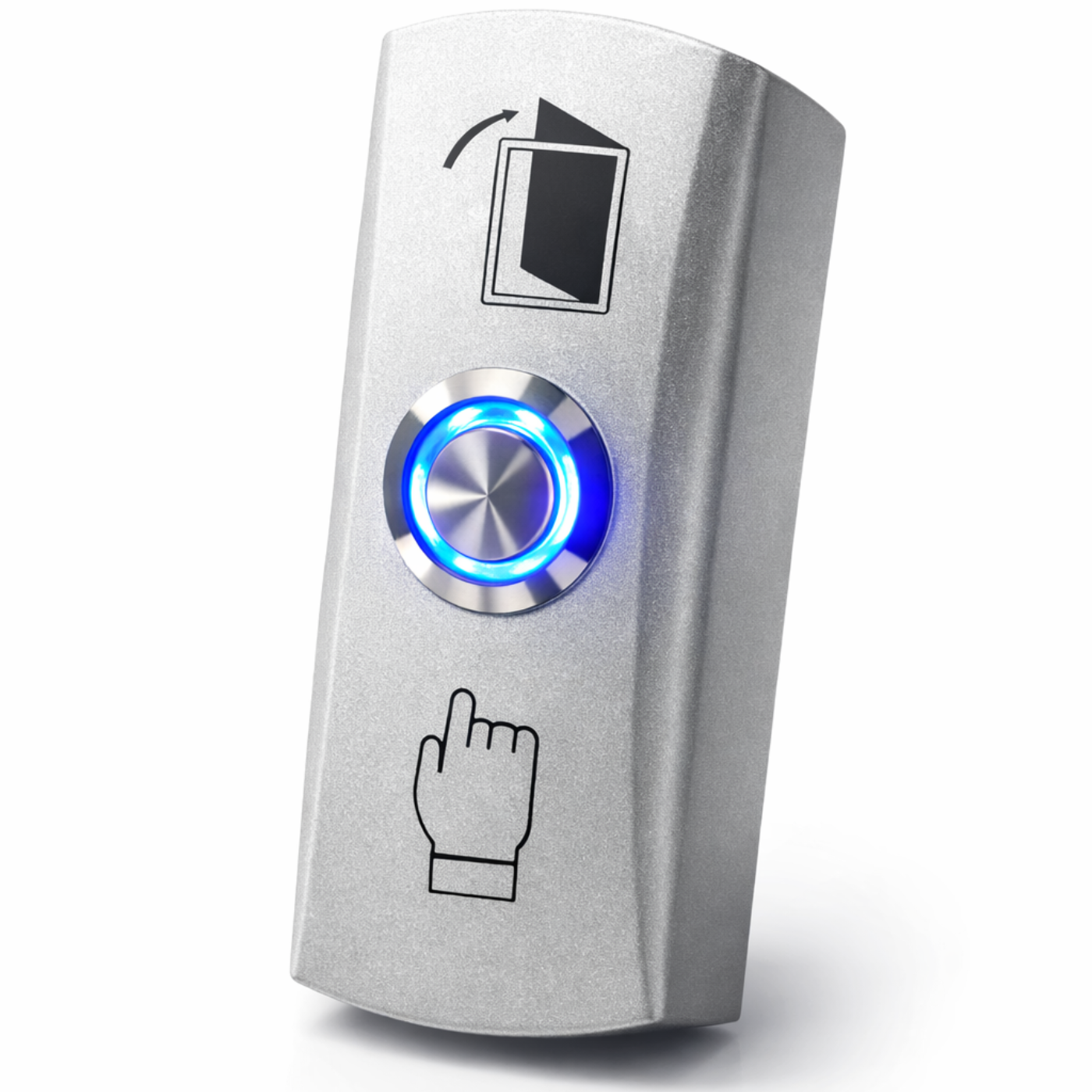
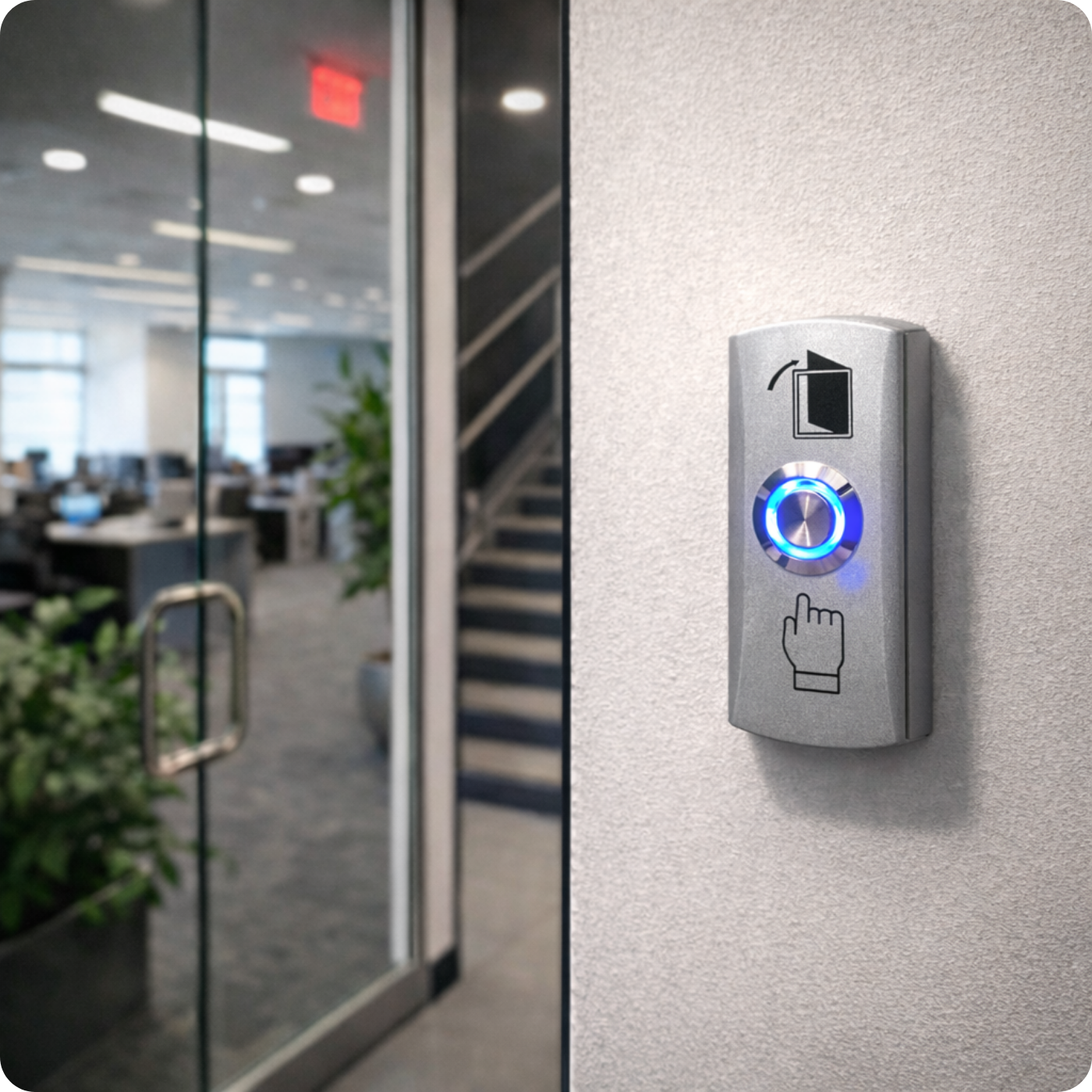
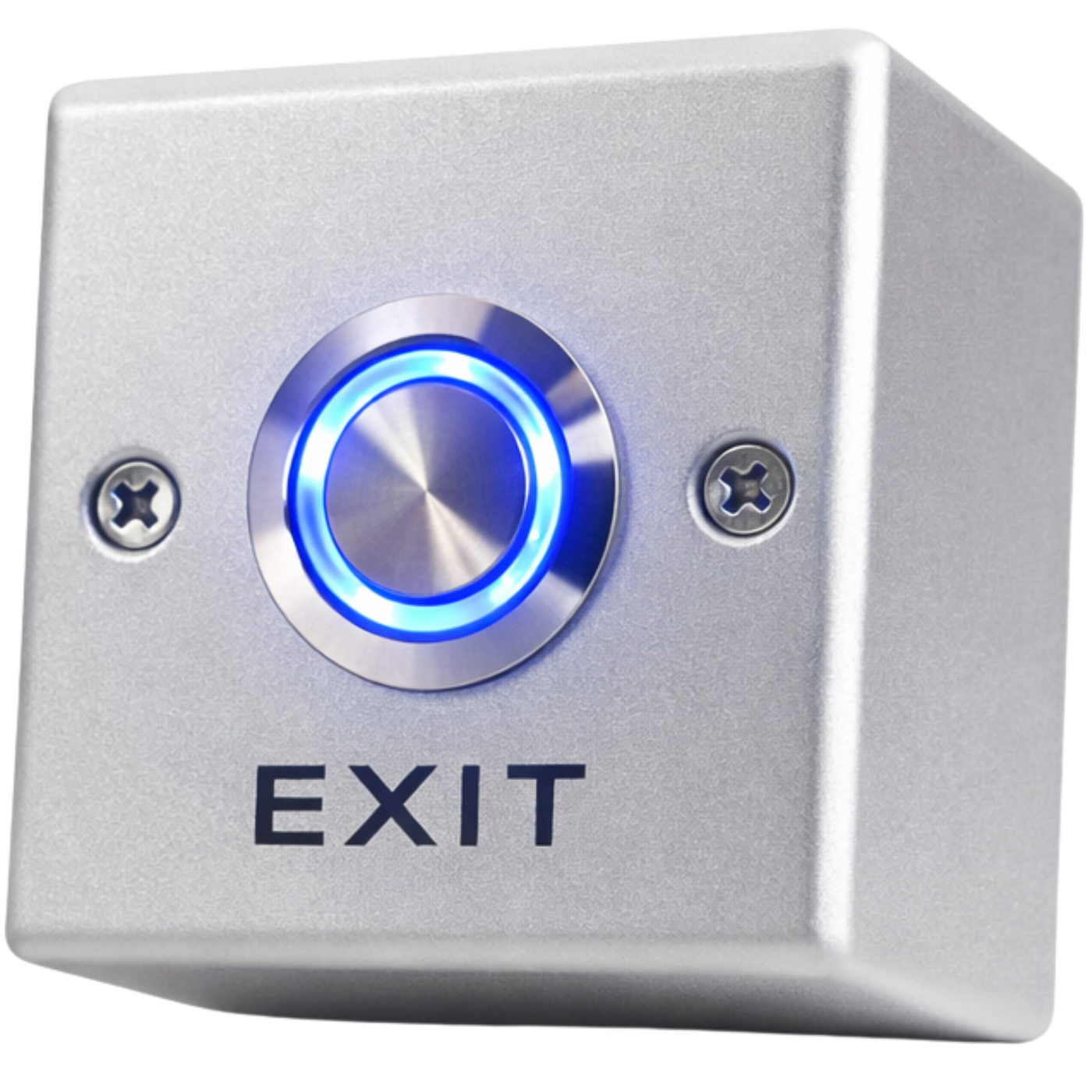
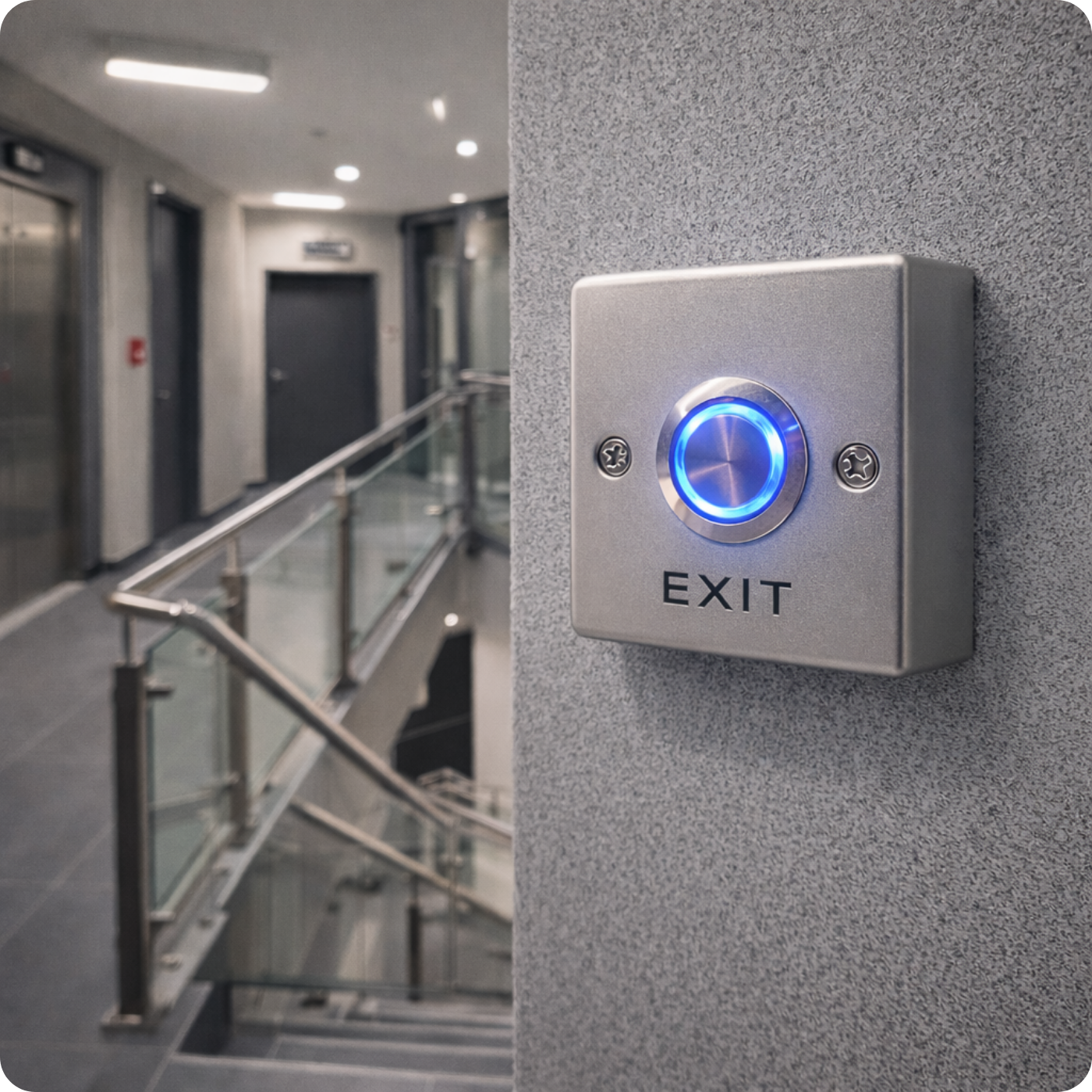
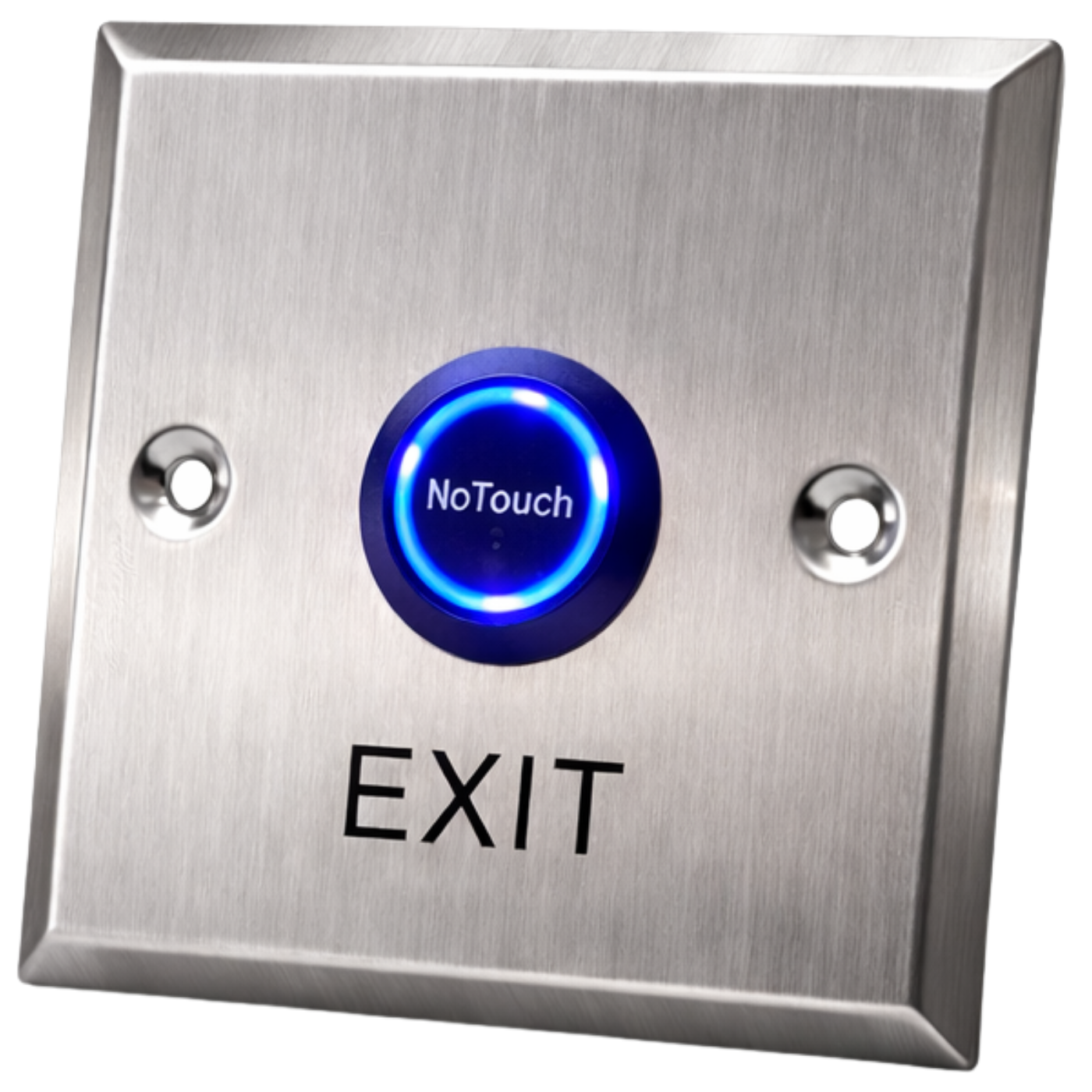
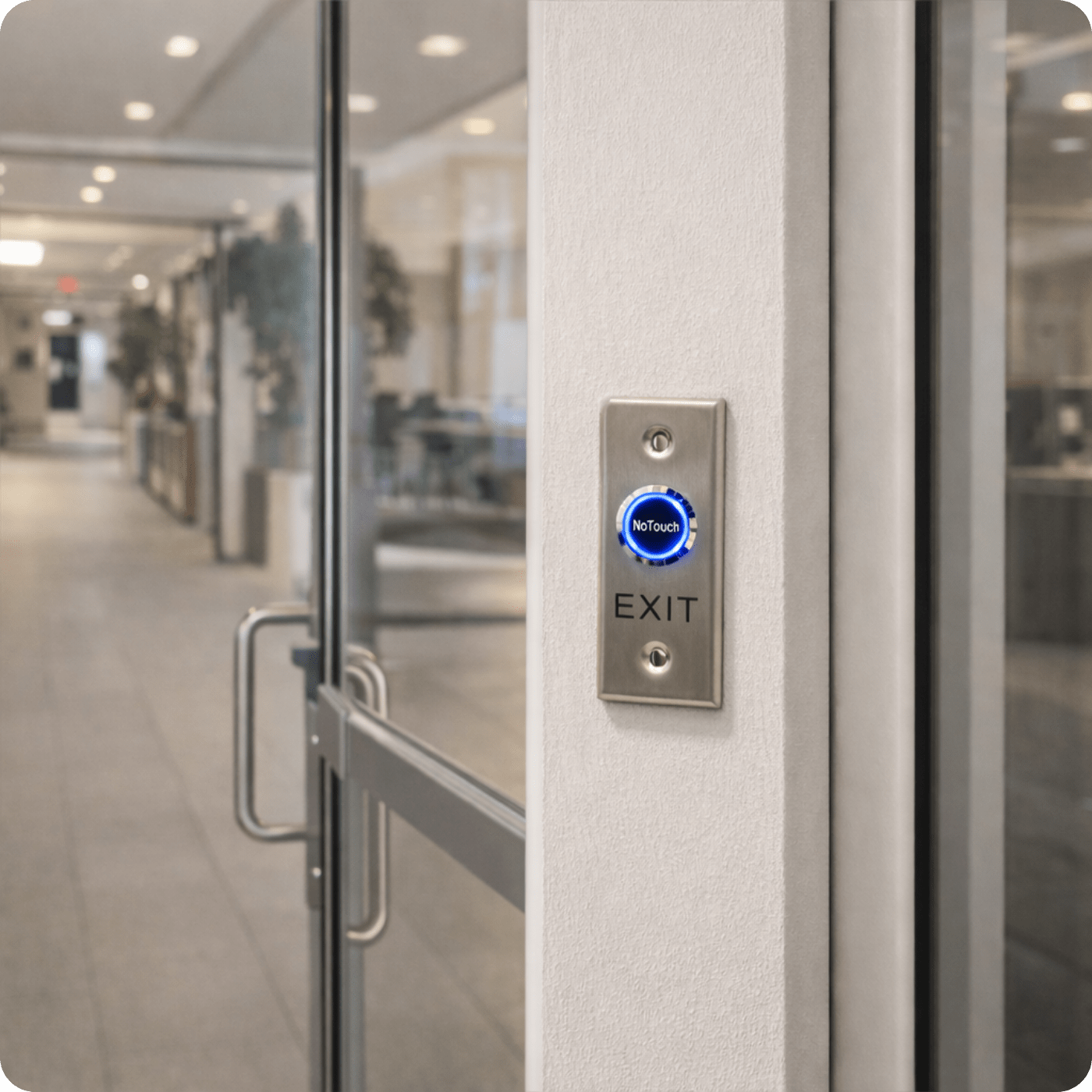
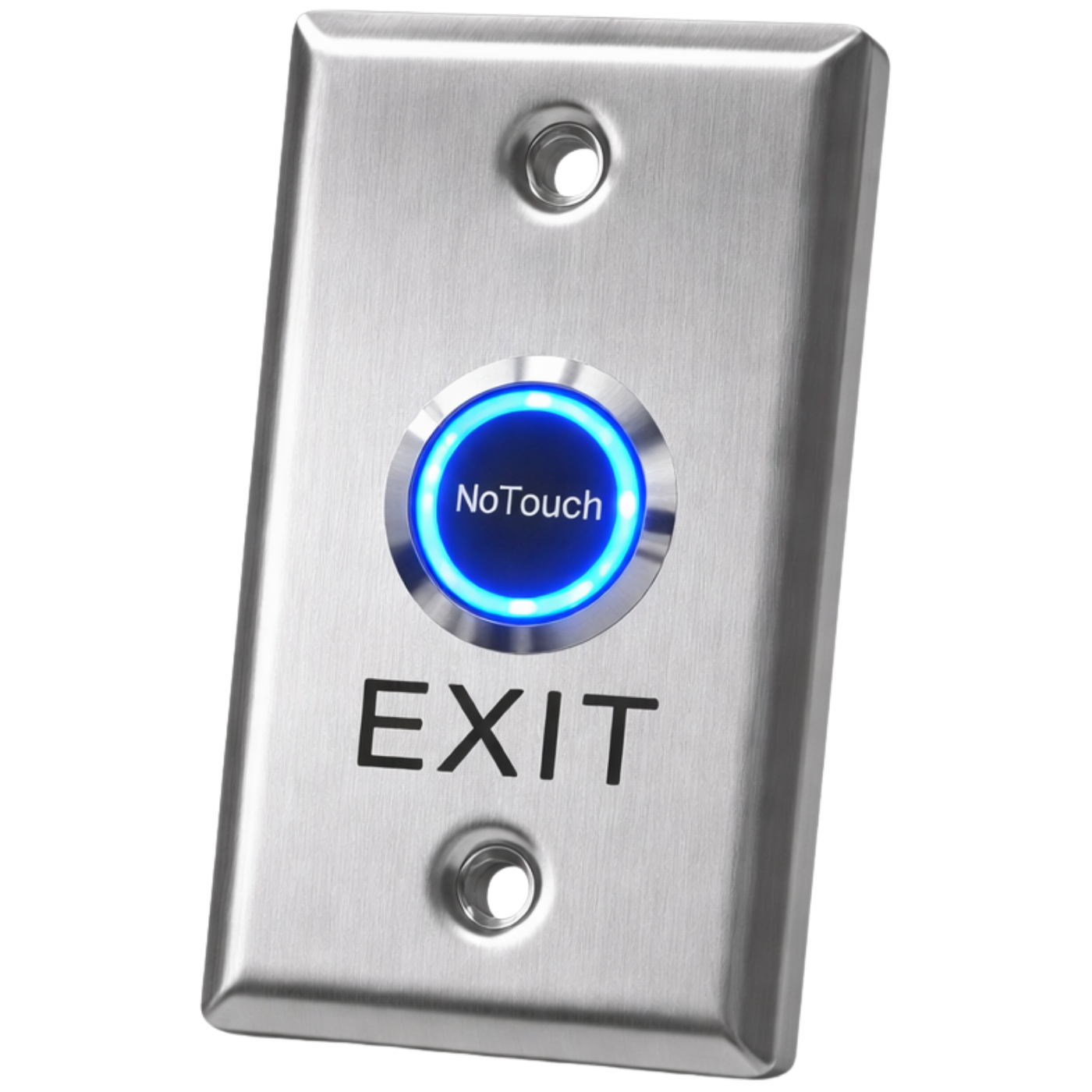
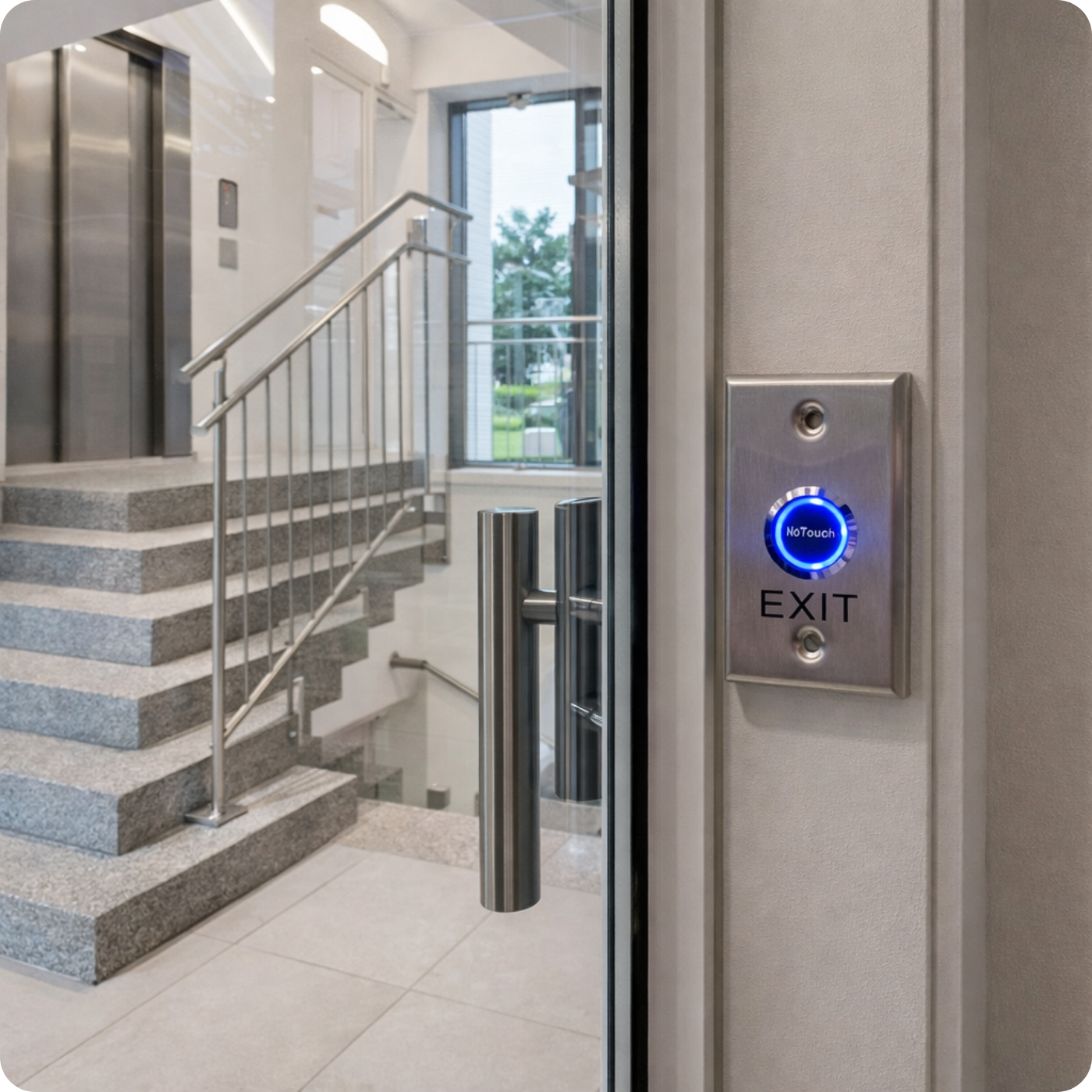
Waterproof product, nice blue light; depending on how it's wired it works either with a constant light or only when you press the lock-opening button.

J….r
Simple installation
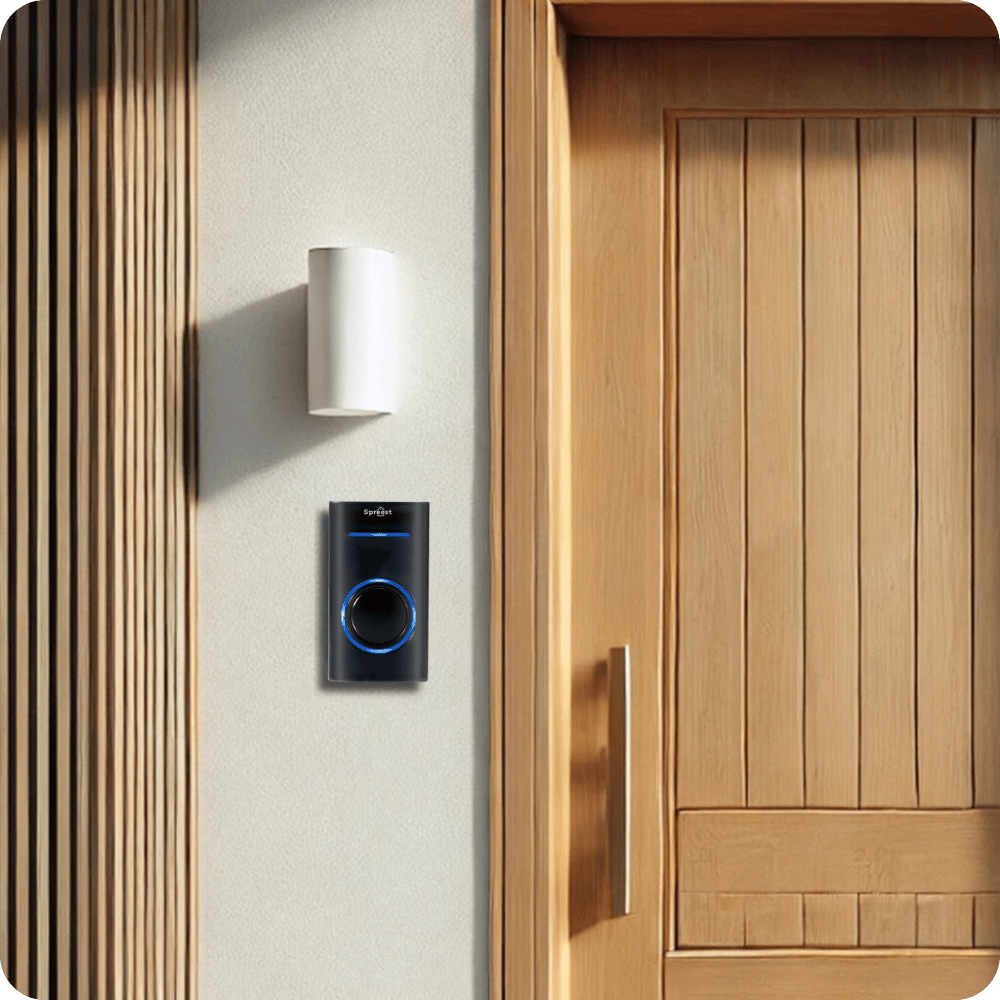
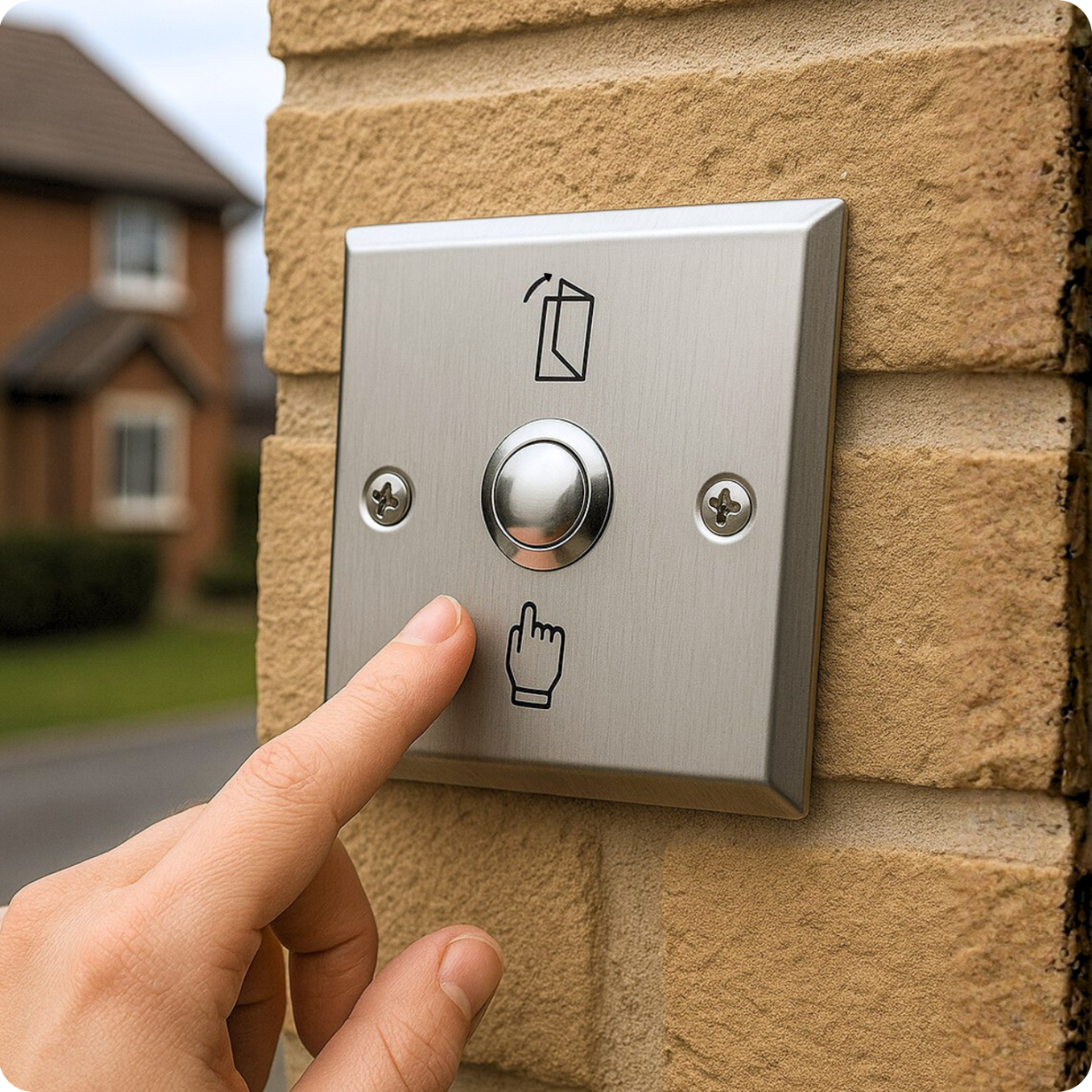
After a week of tinkering, the button works as it should. Mounted outdoors (under a canopy), about 10 m from the receiver, with the receiver hidden in a concrete fence post.

P….2
OK.
Easy to install, simple and trouble-free.
Frequently asked questions
What is an exit button for?
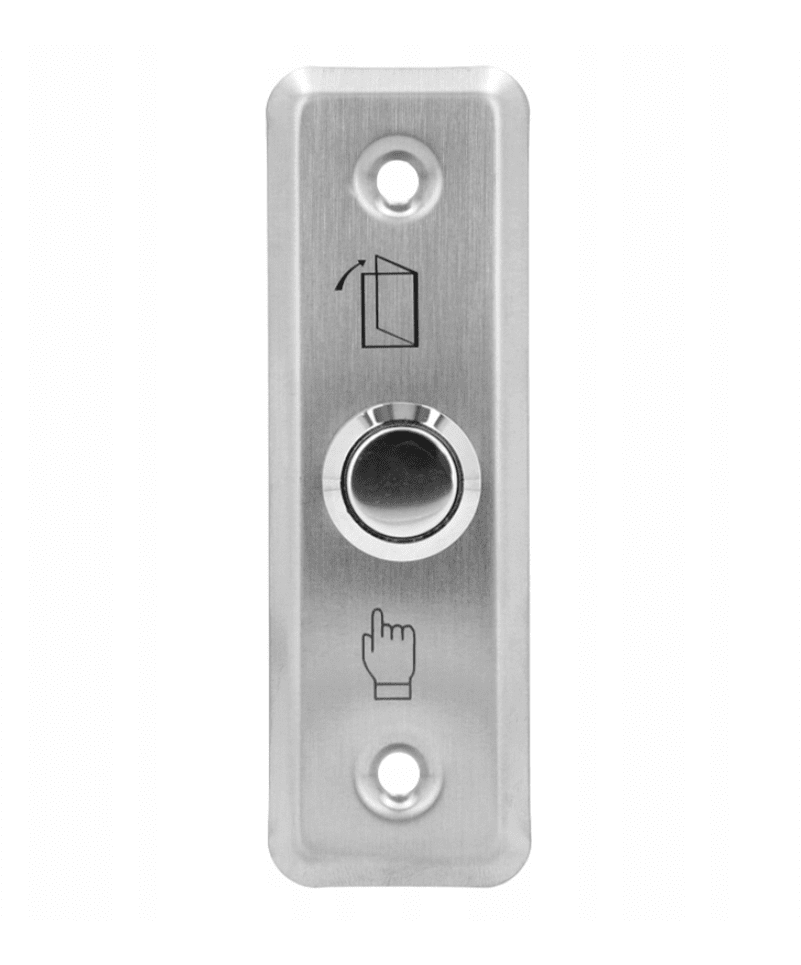
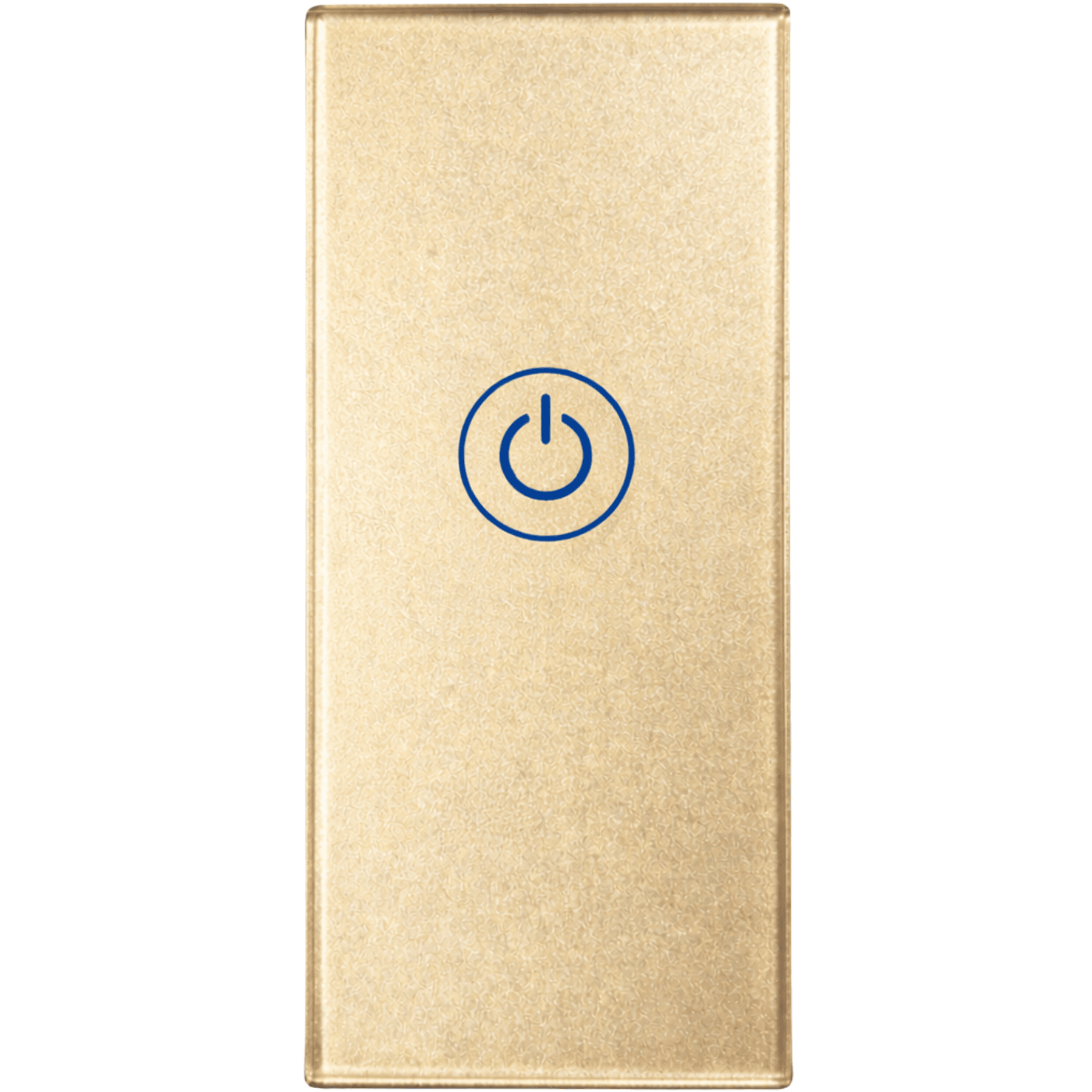
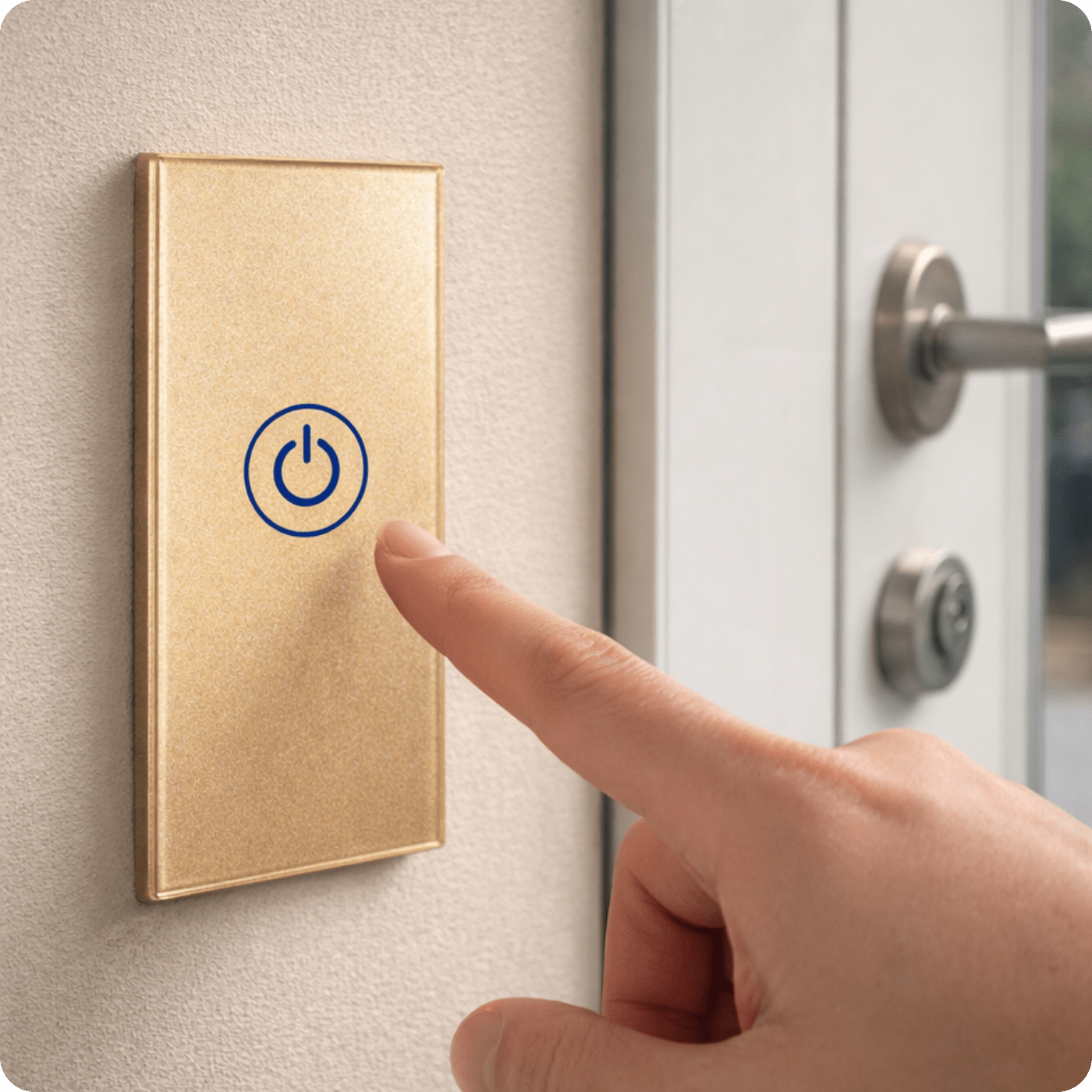
An exit button is used to open a door, wicket or gate from the inside in access control systems. It most often controls an electric strike, allowing you to leave the room quickly and conveniently.
Do exit buttons work wirelessly?
Yes, there are wireless models available (e.g. with 433 MHz radio transmission) that don't require running cables and allow easy installation anywhere.
How does a touch button differ from a touchless one?
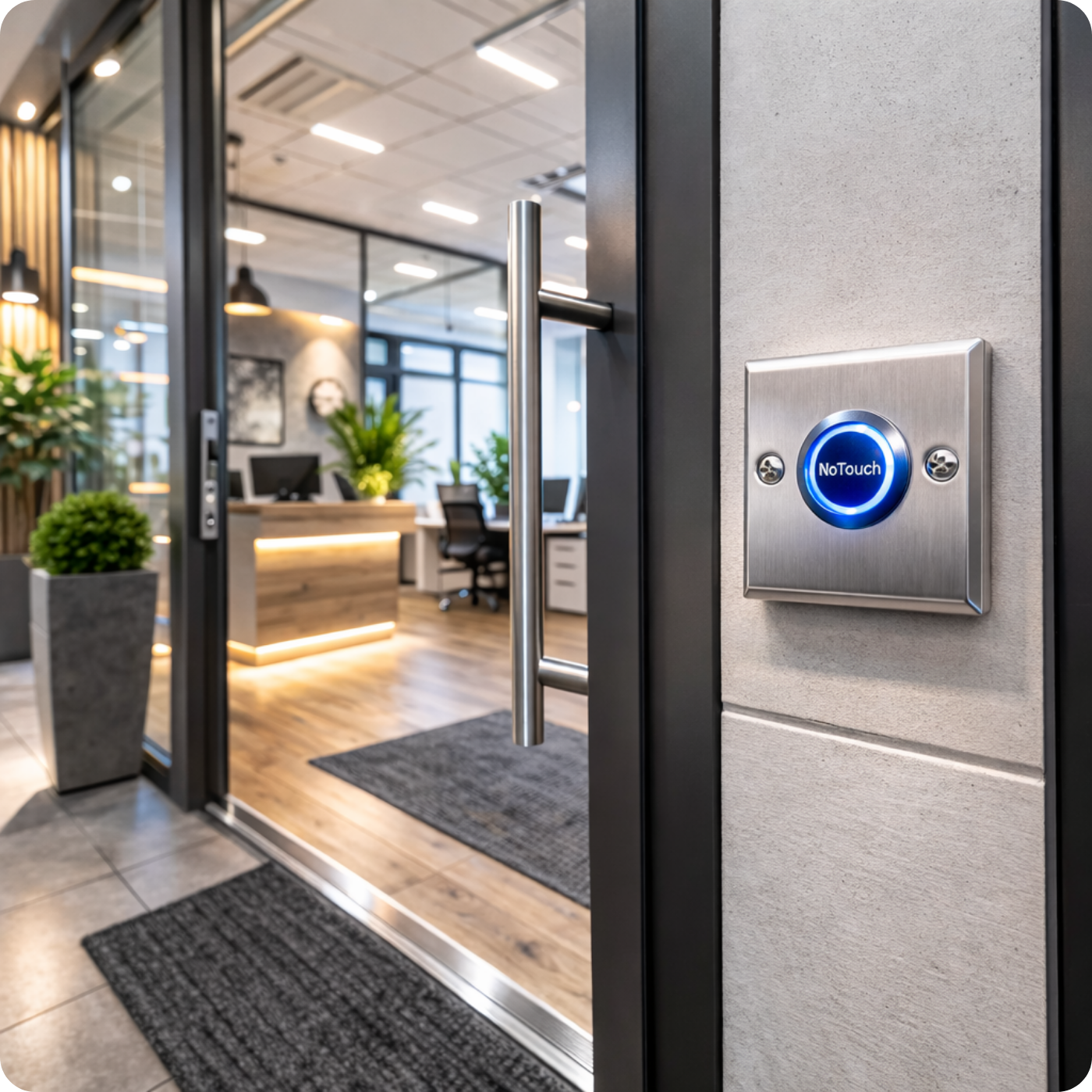
A touch button requires a light press with your finger, whereas a touchless one works on infrared and responds to your hand approaching – it's more hygienic and convenient in high-traffic areas.
What is a bistable button?
A bistable button changes state with each press – e.g. turning a device on or off. It can be used to control lighting, blinds or systems where the state needs to be maintained.
What mounting options are available for exit buttons?
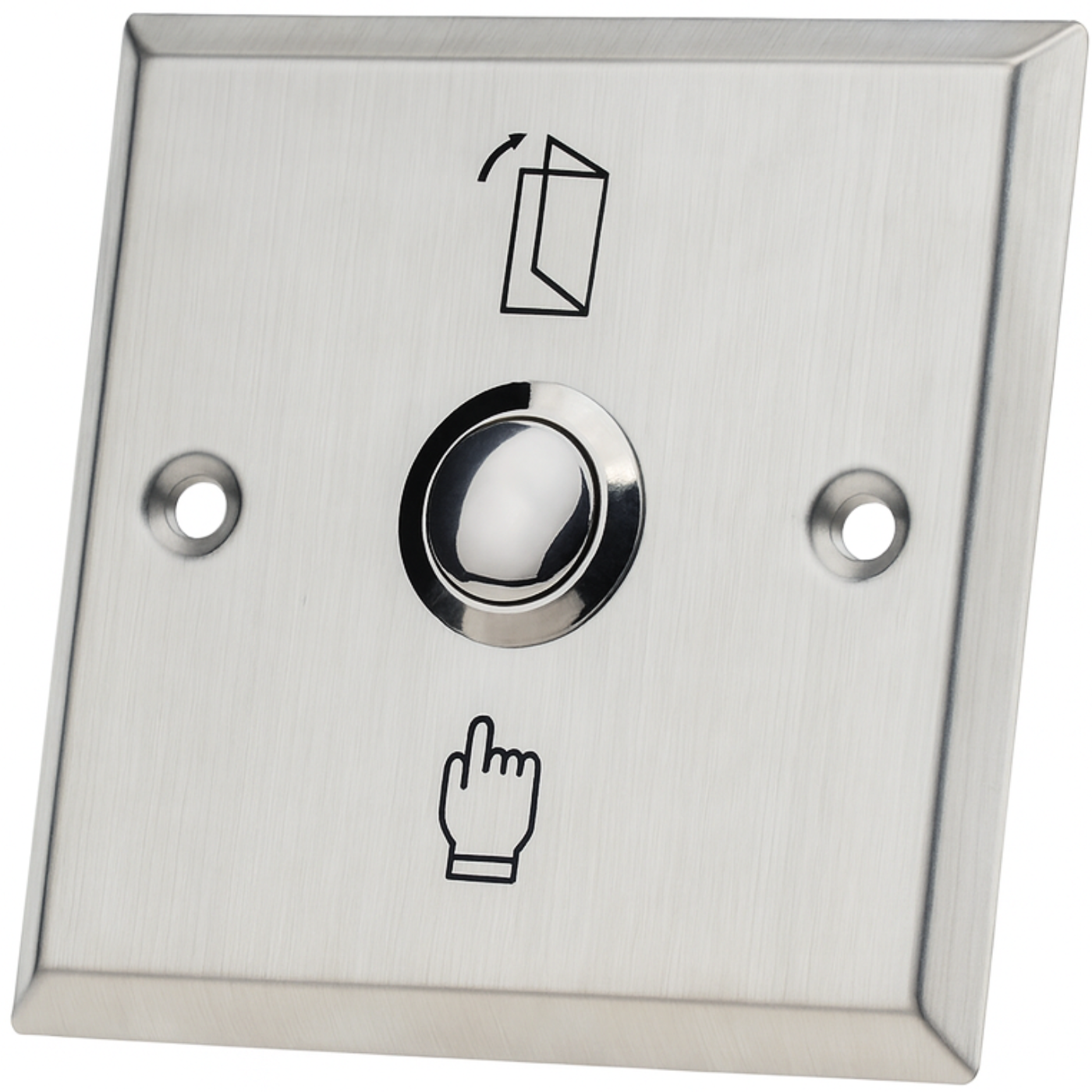
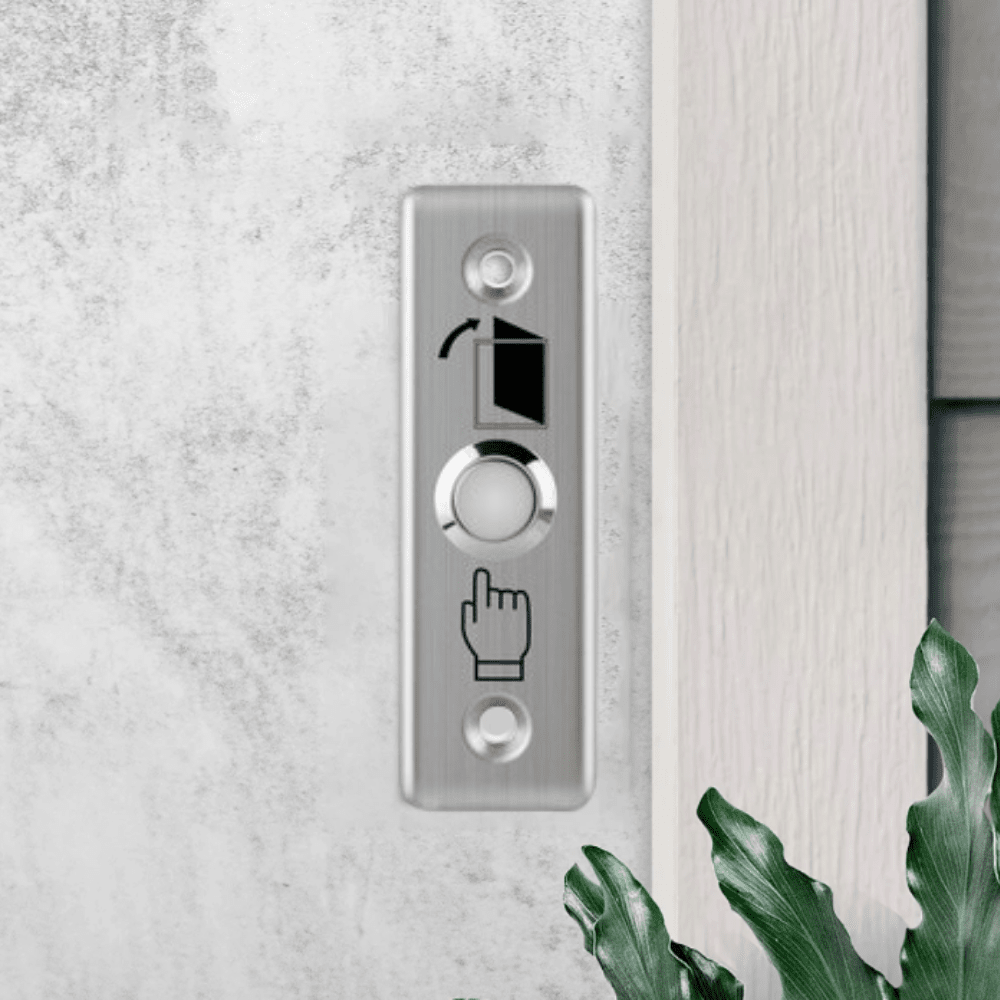
Buttons can be mounted on the surface (surface-mount) or inside the wall (flush-mount), depending on the model and aesthetic preferences.
Does an exit button fit every access control system?
Most buttons are compatible with popular systems thanks to their NO/NC/COM outputs, which allows flexible connection.
Exit buttons
Exit Buttons for Access Control – Convenient and Secure Door Opening
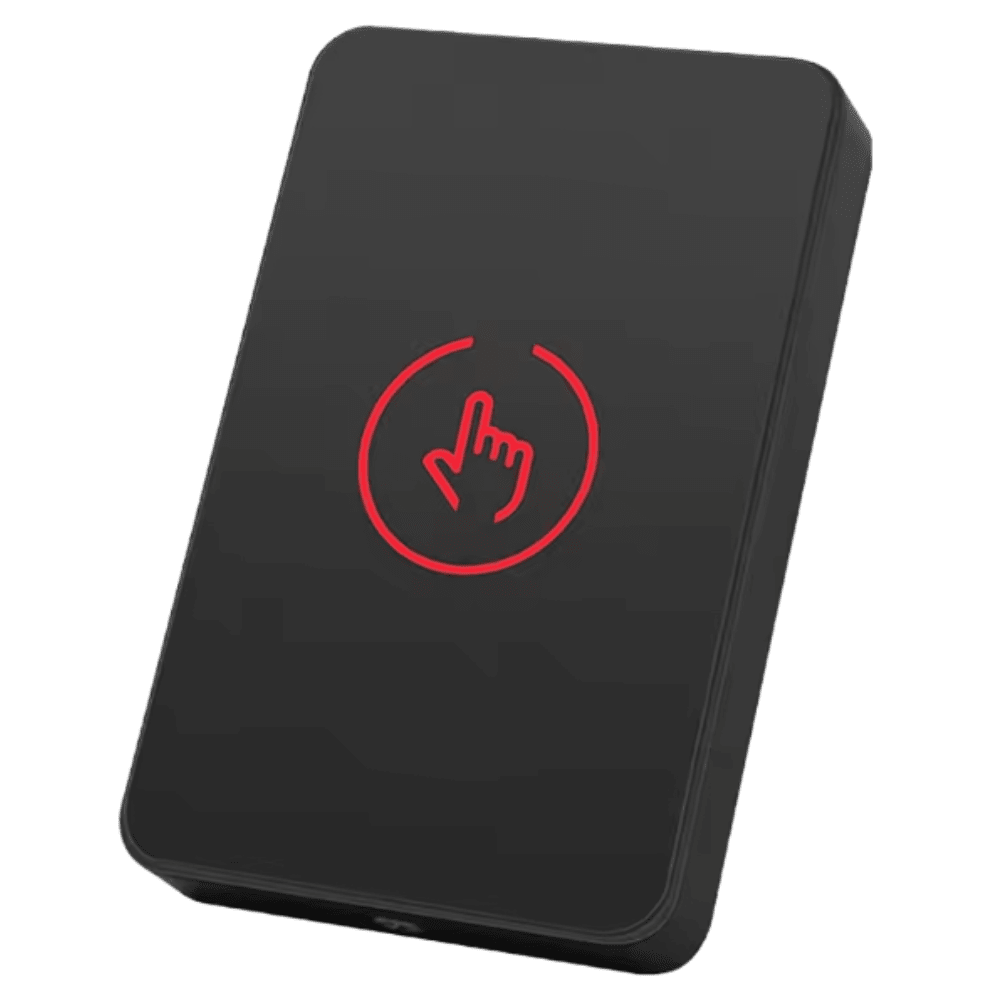
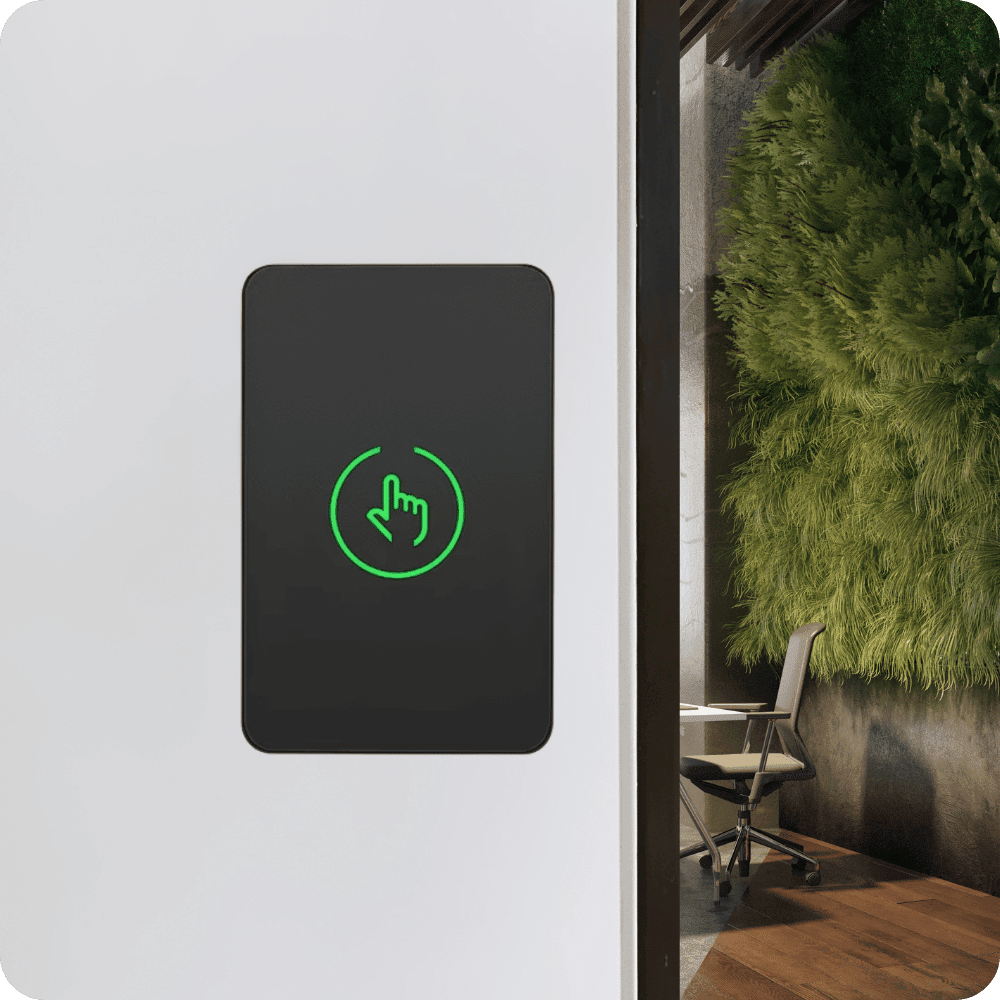
In our offer, you will find a wide selection of exit buttons for access control systems – from classic mechanical models, through modern touch buttons, to wireless and contactless solutions, which ensure comfort and reliable operation.
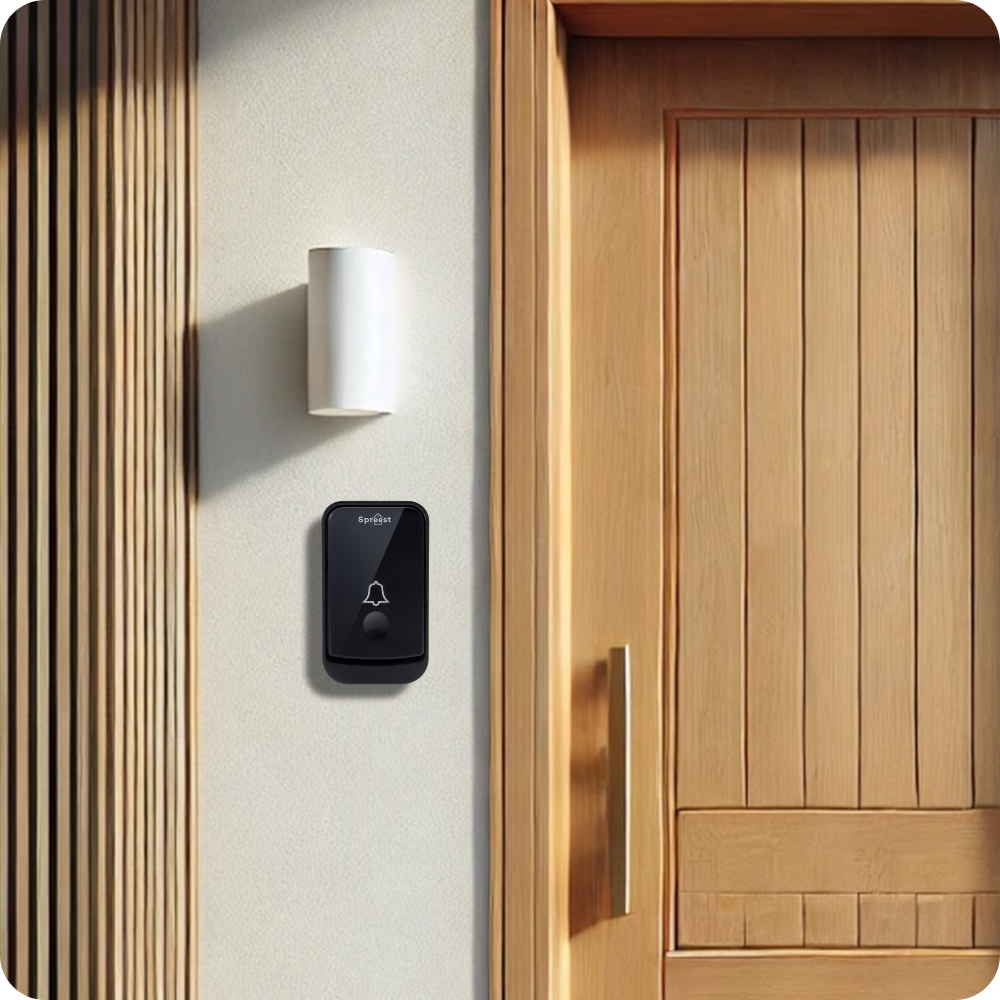
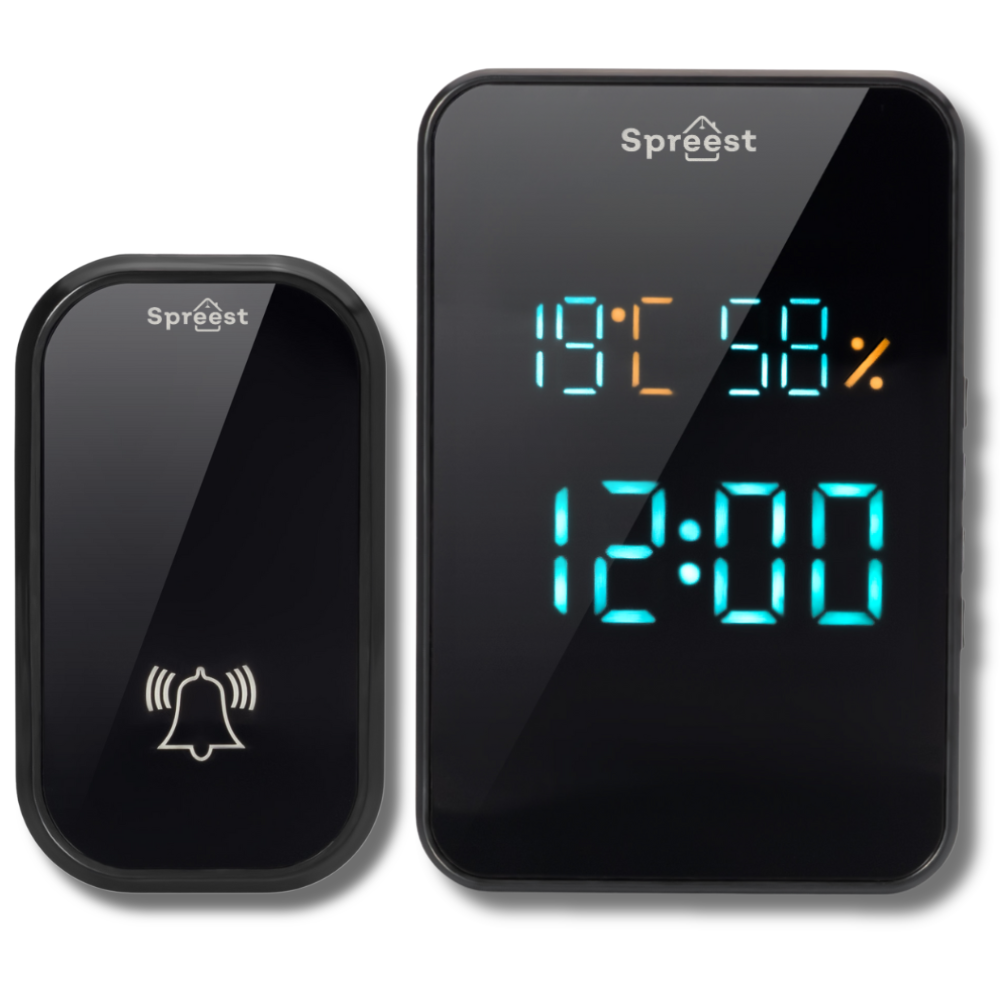
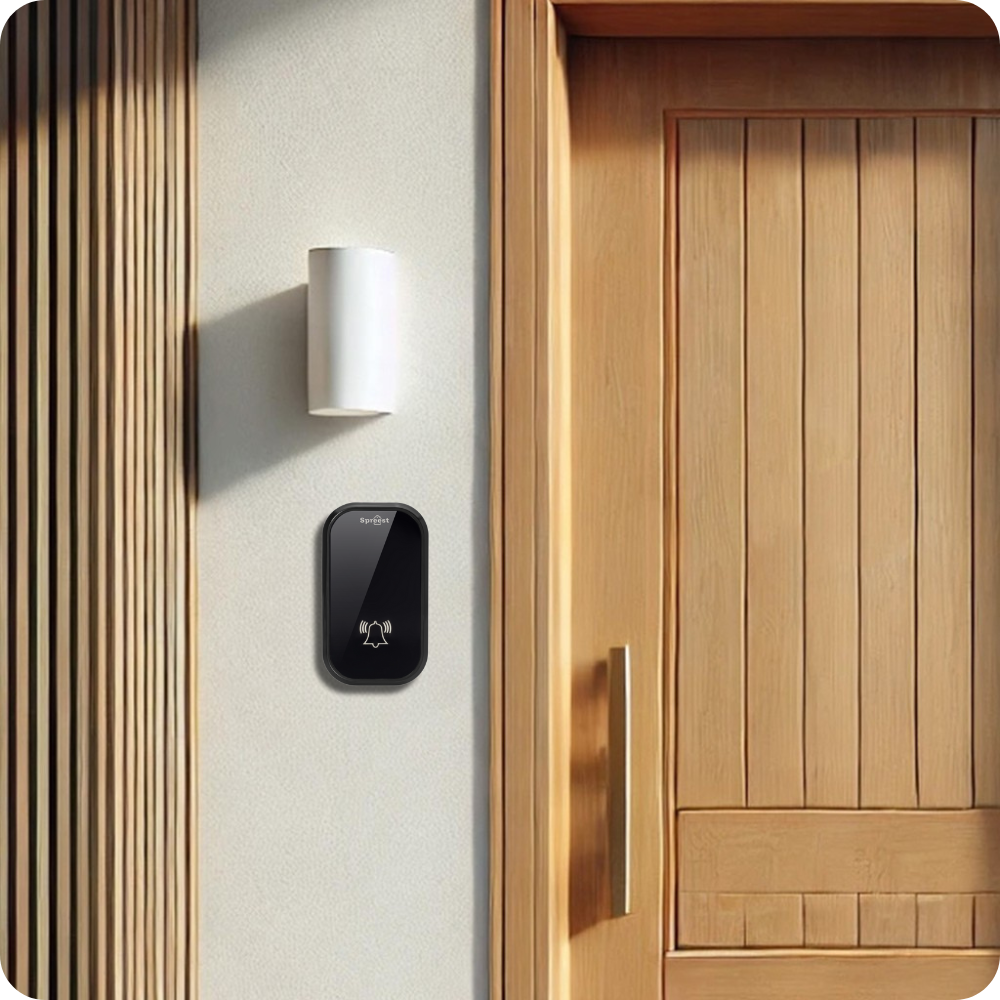
Wireless exit buttons are an ideal solution where wiring is not possible. Thanks to stable radio transmission and simple installation, they enable quick activation of the door, gate, or barrier control system – without interfering with the building's infrastructure.
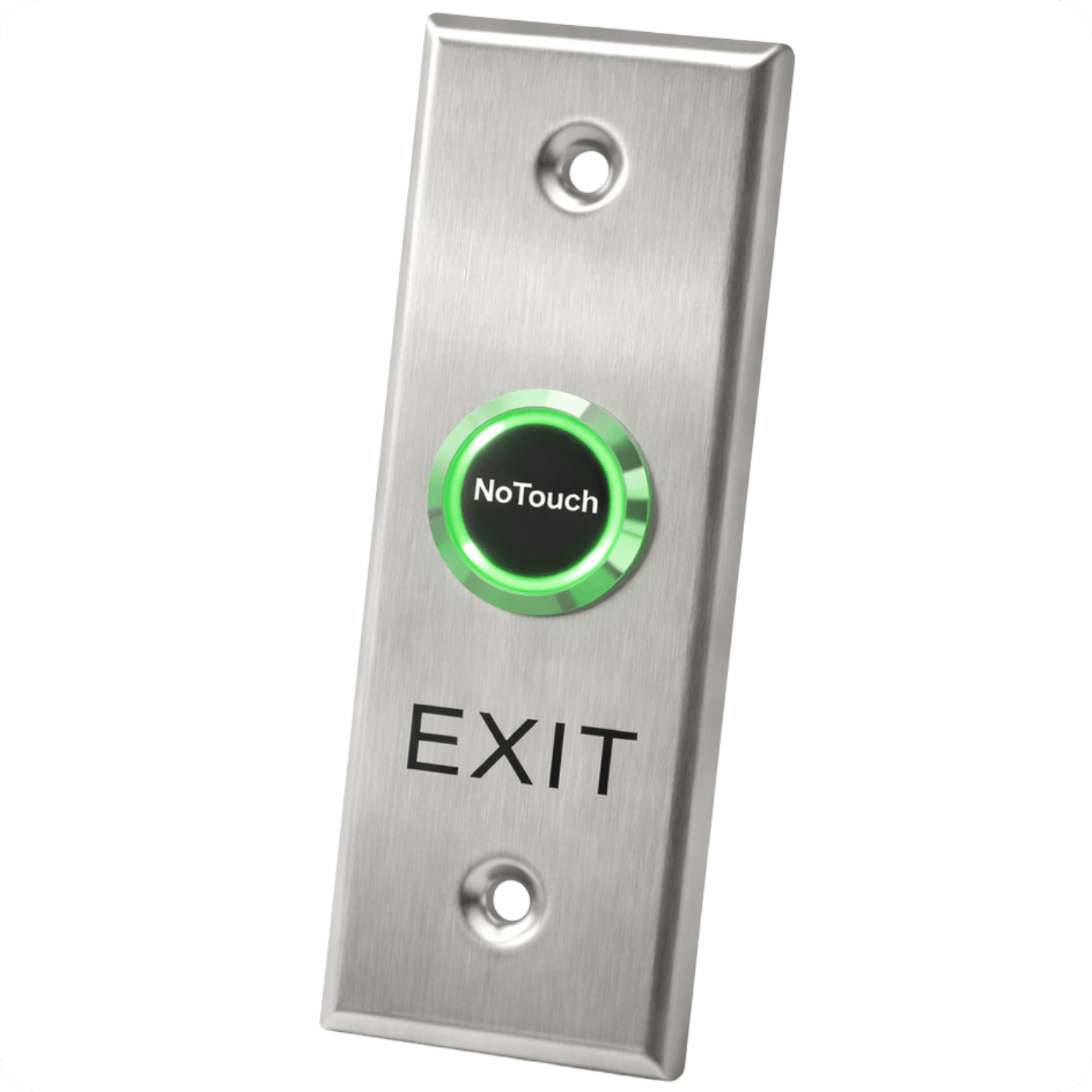
For places with high hygienic requirements, contactless infrared exit buttons, which react to the proximity of a hand, are an excellent choice. This modern solution works well in offices, hotels, medical facilities, and public utility buildings, eliminating the need for physical contact.
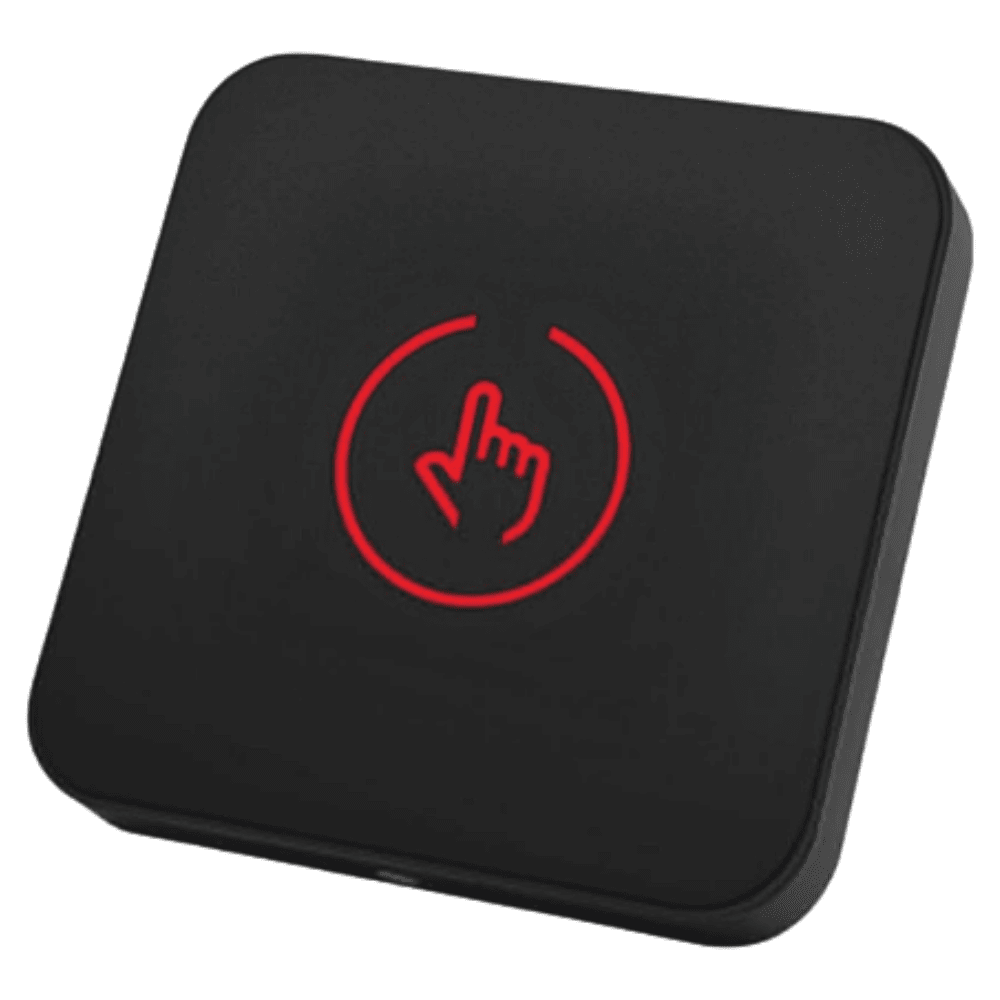
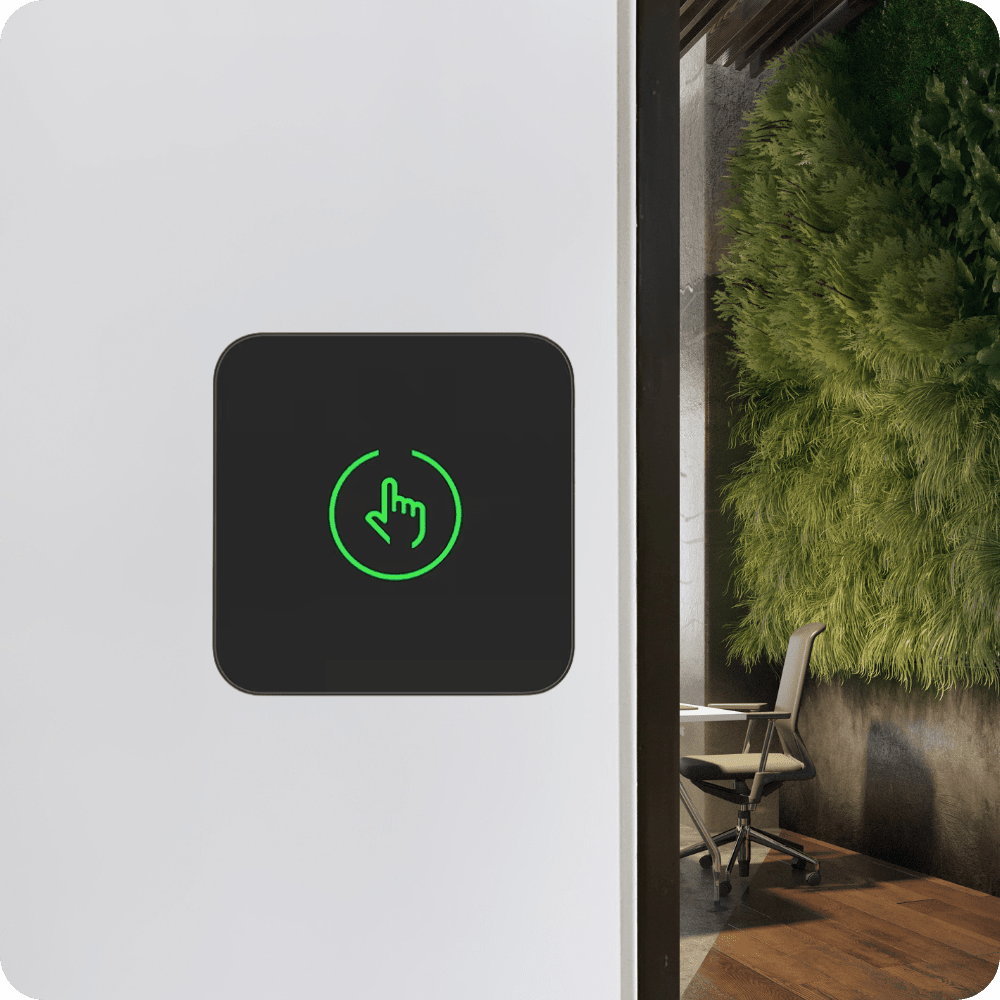
In standard installations, mechanical and touch exit buttons, made of durable materials such as stainless steel or zinc alloy, work perfectly. They ensure high resistance to damage, long service life, and an aesthetic appearance matching any interior.
Many models offer LED backlighting, which facilitates locating the button in the dark, and support for NO/NC/COM outputs, which guarantees full compatibility with popular access control systems, electric strikes, and electromagnetic locks.
Choose exit buttons tailored to your system and ensure convenience, security, and reliable operation every day.
Which exit button should you choose for a door with an electric strike?
It's best to choose a monostable model with an NO/NC/COM output, which generates a short pulse to open the electric strike and is compatible with most access control systems.
Is a surface-mounted exit button easy to install?
Yes, surface-mounted buttons are very easy to install, because they don't require chiselling into walls – you just screw them on or stick them in the chosen spot.
When is it worth choosing a flush-mounted exit button?
A flush-mounted button is worth choosing where aesthetics and a minimalist look matter – it's installed inside the wall and is less visible.
How does a wireless exit button for a wicket work?
When you press the button, a radio signal is sent to a receiver that controls the electric strike or gate automation – with no need to run cables.
Can one receiver handle several exit buttons?
Yes, in many systems the receiver can memorise several or even dozens of transmitters, letting you control access from various locations.
Recommendations for you