
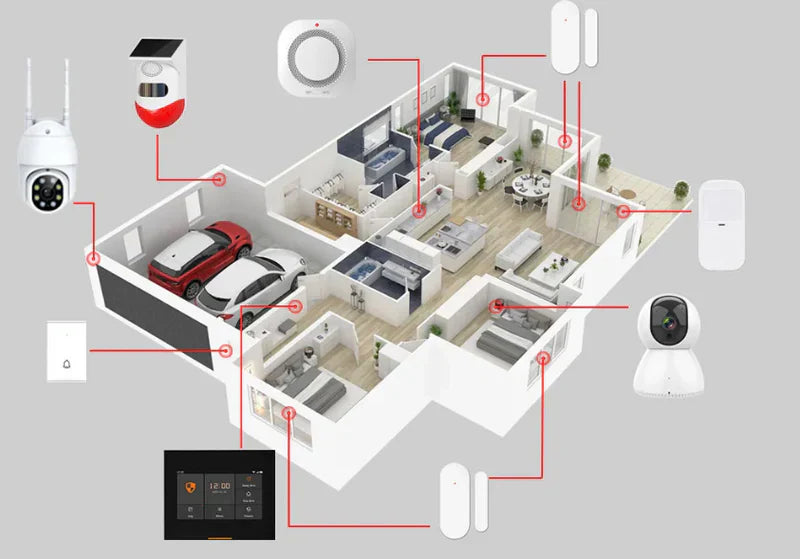
Security is a priority for both homeowners and office managers. With the growing threats of burglary and unauthorized access, having a proper alarm system is essential. Both homeowners seeking to protect their families and property and business owners maintaining their offices are seeking solutions that provide peace of mind and security. Choosing between a traditional or wireless alarm system can significantly impact user comfort and security.
Wireless alarm systems - remote control and constant access to the most important parameters
Wireless alarm systems are becoming increasingly popular, especially among those who value simple installation, modern technology, and easy access to key security parameters. Here are some of the key advantages of these solutions:
- Easy installation - no need to run cables significantly shortens installation time and reduces the need for interference with walls or floors.
- Mobility and flexibility - the wireless alarm can be easily moved or expanded, which is an ideal solution for people who rent apartments or frequently change their place of residence.
- Integration with intelligent systems - possibility of connecting with voice assistants (e.g. Google Assistant or Alexa) and remote control via mobile applications.
- Aesthetics - the lack of visible cables makes the system fit into modern interiors.
Traditional alarm system - reliability in every situation
Traditional wired alarm systems have been recognized for years for their reliability and operational stability. What are the characteristics of these systems?
- Constant connection - no dependence on radio signal or Wi-Fi network ensures stable operation in all conditions.
- Interference resistance - wired connections are less susceptible to attempts by potential intruders to disrupt the signal.
- Long-term savings - despite higher installation costs, wired systems are usually cheaper to operate because they do not require replacing batteries in the sensors.
- Wide range of applications - they are perfect for large industrial facilities or offices, where the distance between sensors is significant.
Alarm system comparison - what to choose?
When choosing an alarm system, it is worth taking into account your needs and the specifics of the protected facility, as well as several basic factors that will determine the quality and effectiveness of the device.
- Installation and operating costs - Wireless systems are easier to install but may incur additional costs related to batteries and maintenance.
- Flexibility - wireless alarms are more universal, while traditional ones are suitable for applications requiring exceptional operational stability.
- Scale of security - larger properties are better protected by wired alarm systems, while smaller apartments benefit from the flexibility of wireless systems.
- Compatibility with smart technology - people using smart solutions at home will appreciate the integration possibilities offered by wireless alarms.
Alarm technology in practice - what else is worth knowing?
Modern alarm systems, both wired and wireless, offer a range of features that increase security.
- Real-time notifications - mobile applications inform about the detection of movement, opening doors or windows.
- Event history - users can track all system activities in one place.
- Customization options - from changing the sensitivity of sensors to selecting a schedule for arming and disarming the alarm.
Alarm installation - how to prepare?
Before installing an alarm system, it is worth paying attention to several important issues:
- Sensor placement plan - it is important to protect places such as entrance doors, windows and corridors.
- Power source - in the case of traditional systems, it is worth planning the cable layout, while for wireless systems, you need to make sure that all elements have access to a stable signal.
- Technical support - when choosing a system supplier, it is worth making sure that they offer configuration assistance and service in case of problems.
Smart Alarms - The Future of Home Security
Advances in technology are making smart alarm systems a standard. Integration with other smart home devices, remote control, and automatic reporting are just some of the advantages of wireless alarms, making daily use and monitoring of the system even more convenient.
Choose a solution tailored to your needs
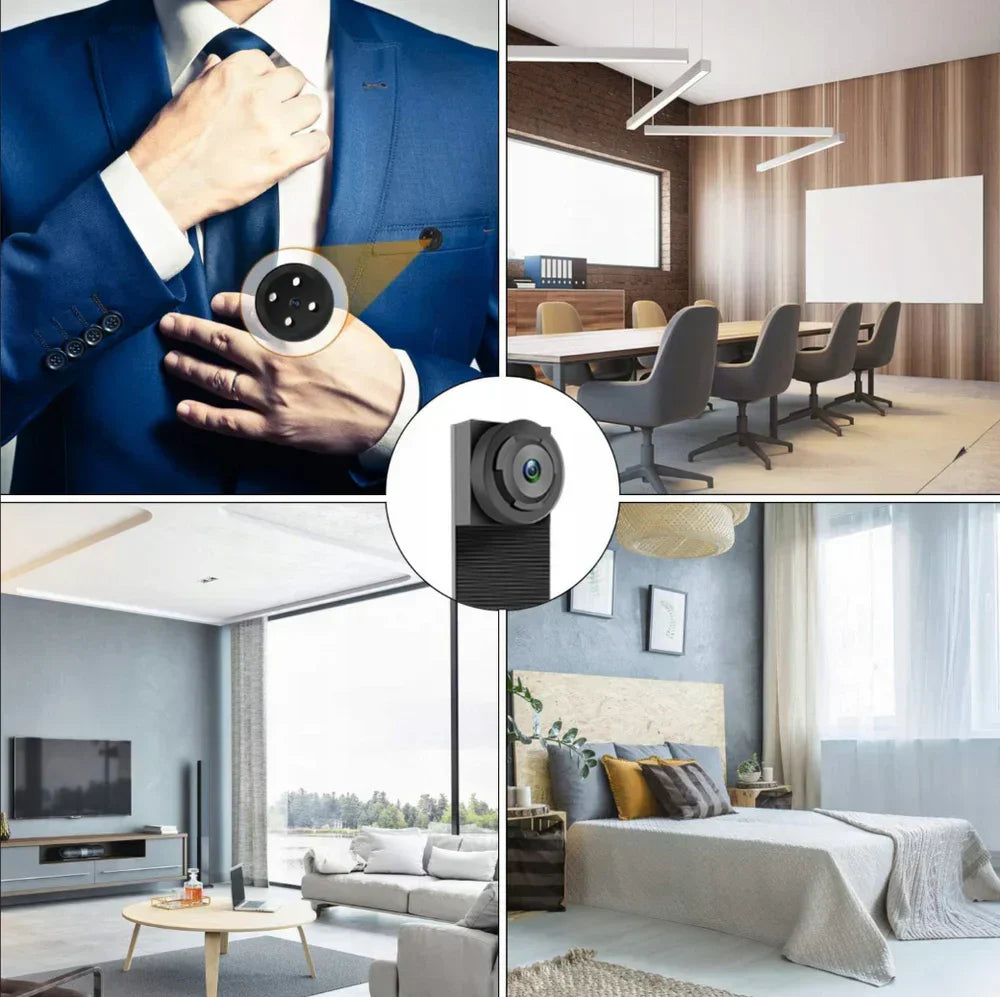
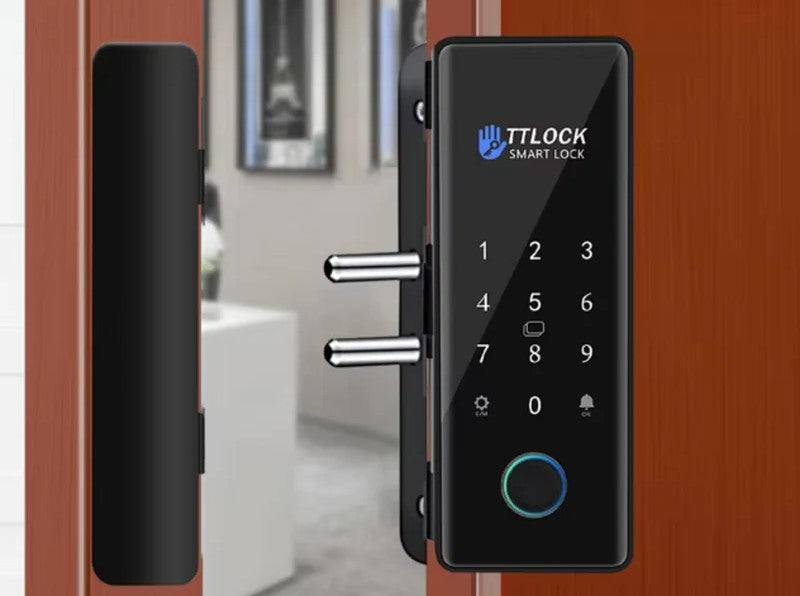
Choosing an alarm system is an investment in security and peace of mind – both at home and in the workplace. Whether you choose a traditional cable system or a modern wireless solution, properly selected equipment will better protect your loved ones and property. If you value a reliable alarm system and want to ensure your home's safety, be sure to check out our range of alarm accessories ! You'll find solutions tailored to every type of building, allowing you to create the perfect security system, even in the office.

Leave a comment
This site is protected by hCaptcha and the hCaptcha Privacy Policy and Terms of Service apply.